

Fish in Type 2 Diabetes: An Essential Component of a Healthy Diet
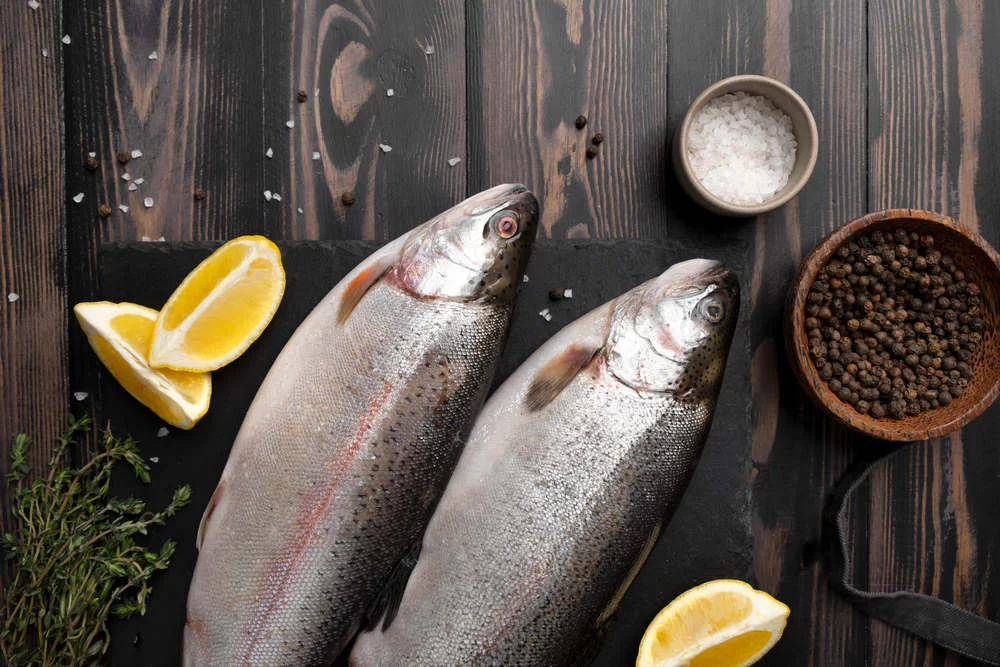
Fish and seafood are not just permitted but recommended for regular consumption in type 2 diabetes. They are a rich source of high-quality protein, essential fats, and trace minerals that directly contribute to better disease control and the prevention of complications.
Why Is Fish So Beneficial? Key Advantages
1. High-quality protein with minimal carbohydrates
Fish protein is easily digestible, provides long-lasting satiety, and does not raise blood glucose levels. This helps effectively manage weight and appetite.
2. A source of omega-3 polyunsaturated fatty acids (PUFAs)
This is the main unique value of fatty fish. Omega-3s (EPA and DHA):
Lower blood triglyceride levels—one of the key cardiovascular risk factors in diabetes.
Have powerful anti-inflammatory effects, counteracting chronic inflammation underlying insulin resistance.
Improve vascular wall function, reducing the risk of blood clots and arrhythmias.
May help improve insulin sensitivity.
3. Rich vitamin and mineral profile
Vitamin D: Deficiency is common in diabetes and is associated with insulin resistance.
Iodine (especially in marine fish): Essential for normal thyroid function.
Selenium: A powerful antioxidant that protects cells from damage.
B vitamins (B12, niacin): Involved in energy metabolism and nervous system function.
Which Fish to Choose? Species Recommendations
It is recommended to eat fish at least twice a week, with at least one serving being fatty fish.
Fatty fish (omega-3 champions): Herring, mackerel, sardines, salmon (wild preferred), trout, halibut. The optimal choice for heart and vascular health.
Moderately fatty fish: Sea bass, tuna (fresh or canned in its own juice), carp, chum salmon. A good balance of protein and healthy fats.
Lean fish: Cod, haddock, pollock, hake, pike perch, pike, flounder. An excellent source of pure protein with minimal calories, ideal for frequent consumption and weight control.
Important Rules for Preparation and Consumption
Recommended cooking methods:
Steaming — preserves maximum nutrients and juiciness.
Baking in foil or parchment with vegetables and herbs.
Stewing with tomatoes and vegetables.
Poaching in a small amount of water or broth.
Grilling (without charring).
Methods to avoid:
Frying in large amounts of oil, especially deep-frying (significantly increases calories and promotes the formation of harmful trans fats and advanced glycation end products).
Smoking (hot or cold) due to high salt content and potentially carcinogenic compounds.
Ready-made breaded fish products (battered fillets, fish sticks), which contain low-quality fats, flour, and many additives.
Best Food Pairings
Ideal: Non-starchy vegetables (leafy greens, broccoli, green beans, cauliflower, zucchini), fresh herbs.
Acceptable: Small portions of complex carbohydrates (brown rice, quinoa, lentils), following the “plate method” (½ vegetables, ¼ fish, ¼ side dish).
Caution: Potential Risks and Nuances
Canned fish. Choose fish packed in its own juice rather than oil. Always drain the liquid and, if possible, rinse the fish to significantly reduce salt content. Fish in tomato sauce often contains added sugar—read labels carefully.
Salted, dried, or cured fish. Extremely high in salt, which promotes high blood pressure and fluid retention. Consume rarely and in very small amounts.
Fish offal (cod liver). Despite record levels of omega-3s and vitamin D, this is a very fatty and high-calorie product. Consume only occasionally and in very small portions as a delicacy, not a main dish.
Fish high in mercury. People with diabetes (especially women of childbearing age) should limit large predatory fish that accumulate mercury: king mackerel, shark, swordfish, bigeye tuna. Safe options include salmon, sardines, herring, cod, and shrimp.
Allergic reactions. If you have a fish or seafood allergy, these foods must be excluded from the diet.
Practical Conclusion
Fish is a true superfood for a diabetes-friendly diet. Regular consumption (at least twice a week) directly contributes to:
Prevention of heart attacks and strokes.
Improvement of blood lipid profile.
Better weight and appetite control.
Adequate intake of essential vitamins and minerals.
The ideal fish meal formula for diabetes:
A portion of fatty or lean fish (150–200 g) + a generous serving of fresh or steamed vegetables + a healthy cooking method (steaming or baking).
This approach makes fish one of the most valuable and safest foods for long-term control of type 2 diabetes and overall health.