
Basic terms for type 2 diabetes

1. General concepts

  • Type 2 diabetes is a chronic disease in which the body ineffectively uses insulin (insulin resistance) or does not produce enough of it.

  • Glucose is the main source of energy for cells, the level of which in the blood needs to be controlled.

  • Insulinis a pancreatic hormone that helps glucose enter cells.

  • Hyperglycemiaβ€”high blood sugar (above 7 mmol/l on an empty stomach).

  • Hypoglycemia – low sugar level (below 3.9 mmol/l), a dangerous condition.

  • HbA1c (glycated hemoglobin) – an indicator of the average sugar level over the last 2-3 months (normal < 5.7%, with diabetes β‰₯ 6.5%).

2. Diagnostics and control

  • Insulin resistance β€” a decrease in the sensitivity of cells to insulin.

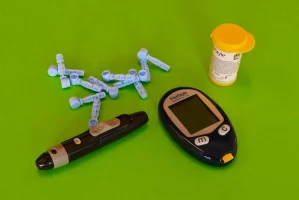
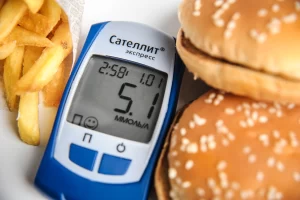
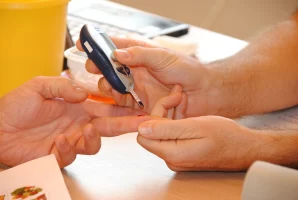
  • Glucometer β€” a device for measuring blood glucose levels.

  • C-peptide β€” an indicator of the production of your own insulin.

  • Postprandial glycemia β€” sugar level 2 hours after eating.

3. Complications

  • Diabetic neuropathy – nerve damage (numbness, pain in the limbs).

  • Retinopathy – damage to the retinal vessels leading to blindness.

  • Nephropathy – damage to the kidneys.

  • Diabetic foot – ulcers and infections of the feet due to poor circulation.

4. Treatment

  • Metformin is a first-line drug to reduce insulin resistance.

  • Sulfonylureas β€” stimulate insulin production (for example, glibenclamide).

  • GLP-1 agonists(liraglutide) β€” reduce appetite and sugar.

  • SGLT2 inhibitors(dapagliflozin) β€” remove glucose through the kidneys.

5. Lifestyle

  • Low-carbohydrate diet β€” food with a restriction of fast carbohydrates.

  • Glycemic index (GI) β€” an indicator of the effect of food on sugar levels.

  • Ketoacidosis β€” a dangerous condition when a sharp increase in ketones in the blood (rarely in type 2).

6. Additional terms

  • Metabolic syndrome – a combination of obesity, hypertension and insulin resistance.

  • Prediabetes – borderline state (HbA1c 5.7–6.4%).

  • Basal insulin – long-acting to maintain background levels.

Knowing these terms will help you better understand your disease and manage your diabetes more effectively! πŸ“šπŸ’™

from
to
“Insulin-Dependent Type 2 Diabetes”: Why This Is Not a Mistake, but Requires Precise Understanding
It is important to clearly separate two concepts that are often confused: Insulin as a medication (therapy prescribed by a doctor) Insulin dependence as a type of disease 1.
09:31
120
Hidden Diabetes: A Silent Threat That Must Not Be Ignored
Hidden diabetes, or prediabetes, is a borderline condition in which blood sugar levels are already higher than normal but not yet high enough for a diagnosis of type 2 diabetes.
08:27
230
“Senile Diabetes”: Features of Type 2 Diabetes in Older Age
The term β€œsenile diabetes” is not an official medical diagnosis, but it is commonly used to describe type 2 diabetes that is first diagnosed or already present in elderly and very elderly people.
09:10
188
Decompensated Type 2 Diabetes: What Is It and Why Is It Dangerous?
Type 2 diabetes is not a sentence, but a condition that can and should be controlled. When this control is effective, a person can live a full life.
09:23
209
Insulin Resistance in Type 2 Diabetes: Causes, Consequences, and Ways to Improve It
What Is Insulin Resistance? Insulin resistance (IR) is a condition in which the body’s cells stop responding properly to insulinβ€”the hormone responsible for glucose uptake.
16:09
272
Insulin Pump: A High-Tech Solution for Diabetes Management
An insulin pump is a compact electronic device designed for continuous insulin delivery, mimicking the function of a healthy pancreas.
10:48
289
Glycated Hemoglobin (HbA1c): The Gold Standard for Diabetes Control
Glycated hemoglobin (HbA1c) is a key indicator that reflects the average blood glucose level over the past 2–3 months.
10:44
278
Blood Glucose Levels in Type 2 Diabetes: Targets, Monitoring, and Risks
Blood sugar (glucose) is the key indicator for managing type 2 diabetes. Continuous monitoring helps prevent complications and maintain quality of life.
14:25
247
Fatty Liver Disease in Type 2 Diabetes: Connection, Risks, and Treatment
Non-alcoholic fatty liver disease (NAFLD), also known as fatty liver or hepatic steatosis, is a common complication of type 2 diabetes in which excess fat accumulates in the liver.
14:23
223
Diabetic Foot: Causes, Symptoms, and Treatment
Diabetic foot is a severe complication of diabetes mellitus characterized by damage to the blood vessels, nerves, bones, and soft tissues of the foot.
14:20
222
ΠŸΠΎΡΠ΅Ρ‰Π°Ρ этот сайт, Π²Ρ‹ ΡΠΎΠ³Π»Π°ΡˆΠ°Π΅Ρ‚Π΅ΡΡŒ с Ρ‚Π΅ΠΌ, Ρ‡Ρ‚ΠΎ ΠΌΡ‹ ΠΈΡΠΏΠΎΠ»ΡŒΠ·ΡƒΠ΅ΠΌ Ρ„Π°ΠΉΠ»Ρ‹ cookie.