

Pumpkin in Type 2 Diabetes: Benefits, Risks, and Rules of Consumption
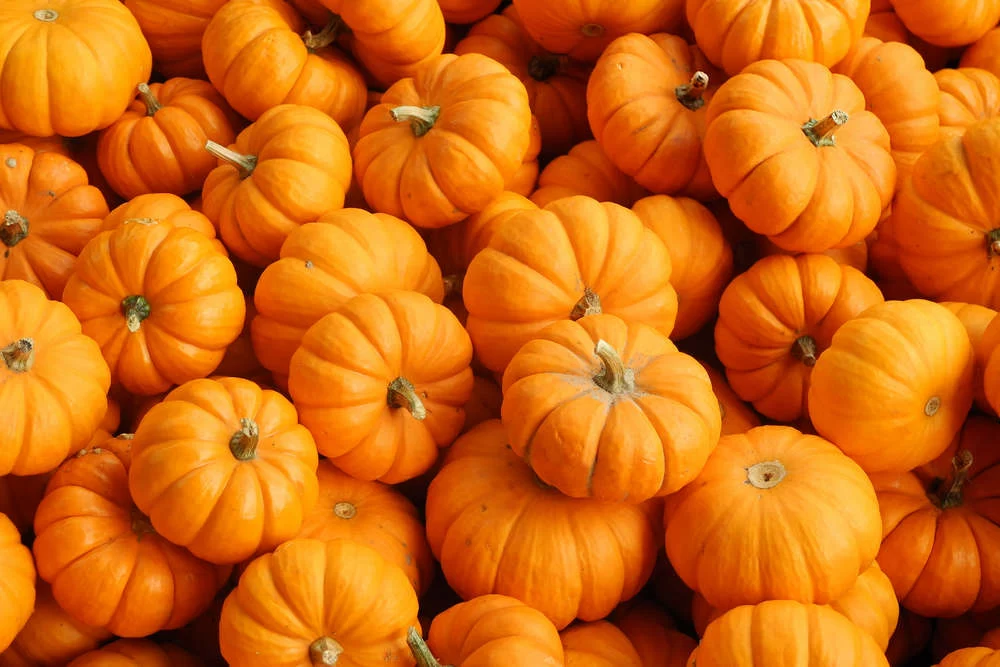
Pumpkin is an autumn vegetable that raises many questions among people with type 2 diabetes. On the one hand, it has a slightly sweet taste; on the other, it is often recommended as a diet-friendly food. Let’s take a closer look.
Potential Benefits of Pumpkin in Type 2 Diabetes
1. Low calorie content and weight control
Pumpkin is 90–92% water and contains only about 25–28 kcal per 100 g (raw). This makes it an excellent food for low-calorie diets, which is critically important for reducing insulin resistance.
2. Dietary fiber
Pumpkin flesh is particularly rich in fiber. Fiber slows down the absorption of carbohydrates, helping to prevent sharp postprandial spikes in blood glucose. It also promotes longer satiety and supports gut health.
3. Vitamins, antioxidants, and minerals
Pumpkin is a source of:
Beta-carotene (provitamin A): a powerful antioxidant that protects cells from damage.
Vitamin C: supports immune function and vascular health.
Potassium: important for heart function and blood pressure control.
Magnesium: involved in hundreds of biochemical reactions, including those affecting insulin sensitivity.
4. Low glycemic index (GI) of raw flesh
The GI of raw pumpkin is about 25–30, which is considered low. However, the glycemic index rises sharply (up to 75–85) after heat treatment (boiling, baking), turning it into a high-GI food.
Risks and Main Pitfalls
1. High glycemic index after cooking
This is the main risk. Baked or boiled pumpkin causes a rapid and significant rise in blood glucose levels. Its GI is comparable to white bread or boiled potatoes.
2. Carbohydrate content
Raw pumpkin contains about 4–7 g of carbohydrates per 100 g. When baked, this can increase to 8–10 g. These carbohydrates are mostly easily digestible, especially after heat treatment.
3. Pumpkin juice and purée
These are the most dangerous forms for people with diabetes. Juice lacks fiber, and purée has a high GI. Consuming them leads to a rapid rise in blood sugar.
4. Pumpkin seeds
This is a separate product. They are high in calories (about 550 kcal per 100 g) but rich in healthy fats, protein, zinc, and magnesium. They may be consumed in small amounts (10–20 g per day as a salad addition), strictly accounting for total daily caloric intake.
Rules for Safe Pumpkin Consumption in Type 2 Diabetes
1. The main rule: count carbohydrate exchanges (bread units) and control portions
1 bread unit (BU) equals approximately 100–120 g of baked or boiled pumpkin. A single portion should not exceed 150–200 g of the cooked product.
2. Combine with proteins and healthy fats
To smooth glucose spikes, never eat pumpkin as a standalone dish. Use it as a side dish with:
Lean meat, poultry, or fish
Cottage cheese or cheese
Vegetable oils (such as olive oil)
Vegetable stews with plenty of non-starchy vegetables (zucchini, eggplant, peppers, green beans)
3. Prefer raw pumpkin
Grate it and add a small amount to fresh vegetable salads. This provides benefits without a sharp increase in blood sugar.
4. Avoid pumpkin porridge with grains and sugar
Traditional pumpkin porridge with rice or millet delivers a heavy load of high-GI carbohydrates. If you do prepare porridge, use a minimal amount of grains (preferably buckwheat), avoid overcooking the pumpkin, and обязательно add cottage cheese or nuts.
5. Avoid pumpkin juice and purée
6. Monitor your individual response
Measure your blood glucose 1.5 and 2 hours after trying pumpkin in a new form or portion size. This will give a clear understanding of your personal response.
Practical Recommendations by Form of Consumption
(from most to least preferable):
Raw in salads (best option).
Stewed or baked as part of complex dishes with meat, other vegetables, and fats (main option).
Baked or boiled as a side dish (small portion, under strict control).
Pumpkin porridge (extreme caution, rare exception).
Pumpkin juice or purée (not recommended).
Key Takeaway
Pumpkin is not prohibited in type 2 diabetes, but it requires a thoughtful approach. It is not a therapeutic food for diabetes, but it can be part of a varied diet.
Allowed: in moderation, in proper combinations, with careful consideration of total carbohydrate load.
Not allowed: uncontrolled use, large quantities, or consumption as juice or sweet porridge.
Essential: consult your endocrinologist or dietitian to develop an individualized nutrition plan. Remember that everyone’s response to foods is different, and your most reliable advisor is your glucometer after a trial introduction of pumpkin into your diet.