

Oatmeal for Type 2 Diabetes: Complex Carbohydrates with Important Nuances
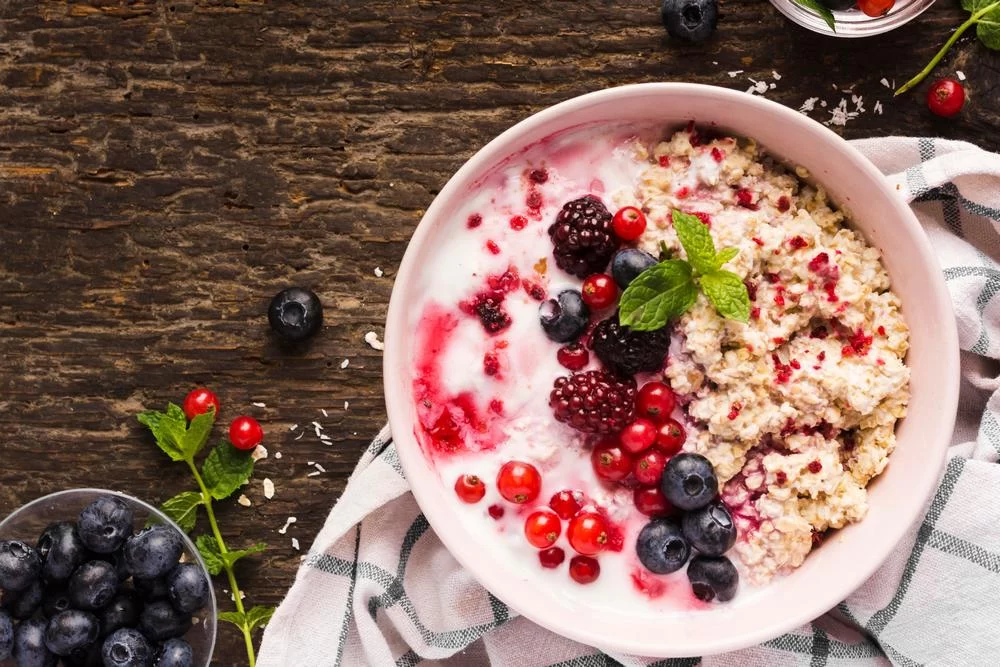
Oats or oatmeal flakes are a classic healthy breakfast food. In type 2 diabetes, however, their role is dual: oatmeal can be a beneficial dietary staple or a cause of blood sugar spikes if the wrong type is chosen or prepared incorrectly.
Potential Benefits for Type 2 Diabetes
1. A source of slow carbohydrates and fiber
The main benefit of oatmeal is its high content of soluble fiber, beta-glucan. In the intestine, it forms a gel-like substance that:
Slows the absorption of glucose into the bloodstream, preventing sharp postprandial spikes.
Lowers levels of “bad” cholesterol (LDL), which is important for preventing cardiovascular complications of diabetes.
Promotes a longer feeling of fullness and helps with weight control.
2. Low glycemic index (GI) of properly chosen oatmeal
Porridge made from whole oat groats or large, long-cooking flakes has a low to moderate GI (around 40–55). This makes it a safe choice for glycemic control.
3. Rich vitamin and mineral profile
Oatmeal contains magnesium (which improves insulin sensitivity), zinc, phosphorus, and B vitamins that are essential for the nervous system, which is often affected in diabetes.
Main Risks and “Hidden Pitfalls”
1. The type of oatmeal matters most
The main risk is the use of instant or quick-cooking oatmeal flakes. These are heavily steam-processed, their natural structure is destroyed, and their fiber content is reduced. Their GI is high (65–80+), meaning they behave in the body almost like white bread, causing rapid increases in blood glucose.
2. Cooking method and additives
Longer cooking reduces the GI, as it allows beta-glucan to be released more effectively.
Adding sugar, honey, syrups, or sweet fruits (bananas, raisins) turns a healthy porridge into a carbohydrate bomb.
Cooking with whole milk increases calorie content and saturated fat intake.
3. Individual response
In some people, even properly prepared oatmeal can cause a significant rise in blood sugar. The key is personal monitoring.
Rules for Safe and Beneficial Consumption
1. Choose the right type of oatmeal (in order of preference):
Whole oat groats
“Hercules” flakes (large flakes requiring 10–20 minutes of cooking)
Medium-cut flakes (5–7 minutes of cooking)
Avoid: quick-cooking and instant flavored oatmeal in portion packets.
2. Cook it correctly:
Cook with water or milk diluted with water.
Do not overcook; follow instructions to preserve texture.
Try “overnight oats”: soak flakes in kefir or plain yogurt and refrigerate overnight. This keeps the GI low.
3. Add the right toppings:
Proteins and healthy fats: a handful of nuts (walnuts, almonds), seeds (flax, chia), or a spoon of unsweetened nut butter.
Fiber: 1–2 tablespoons of bran (oat or wheat).
Berries: raspberries, blueberries, black currants (fresh or frozen, in small amounts).
Spices: cinnamon (may slightly improve insulin sensitivity).
4. Control the portion
Even properly prepared oatmeal is still a carbohydrate food. The optimal portion is 30–50 g of dry flakes (about 3–4 heaping tablespoons), equivalent to 2–3 bread units (BU). The portion should fit in the palm of your hand.
5. Test and choose the right timing
Measure blood glucose 1.5 and 2 hours after eating. Oatmeal is best consumed for breakfast, when the effects of counter-regulatory hormones (the dawn phenomenon) can be offset by slow carbohydrates.
A Practical Example of Ideal Oatmeal for Type 2 Diabetes
Cook 40 g of “Hercules” flakes in water. Add a pinch of salt. To the finished porridge, add:
1 tablespoon of ground walnuts,
1 teaspoon of flax seeds,
50 g of fresh blueberries,
A pinch of cinnamon.
Key Takeaway
Oatmeal in type 2 diabetes is a nuanced product that requires a conscious approach.
Allowed and beneficial: whole oat groats or large, long-cooking flakes in moderate portions, cooked with water and combined with proteins, fats, and fiber.
Not allowed and harmful: instant oatmeal with sugar and flavorings, topped with honey or large amounts of dried fruit.
Essential: individualized portion selection based on glucometer readings and consultation with a dietitian to incorporate oatmeal into the overall daily diet. Oatmeal does not lower blood sugar by itself, but it can be part of a balanced diet for stable glycemic control.