

Cloves (the spice) in Type 2 Diabetes: Potential Properties and a Balanced Approach
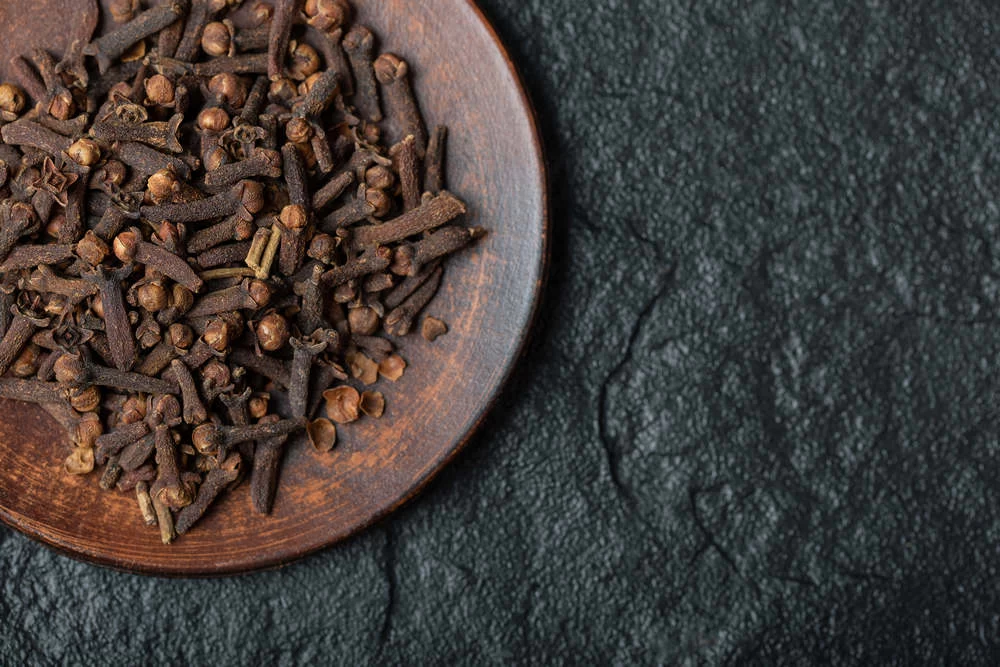
Cloves are the dried flower buds of the tropical tree Syzygium aromaticum, widely known as an aromatic spice. In the context of type 2 diabetes, they attract interest not only as a culinary ingredient but also as a potential supportive remedy. However, it is important to distinguish real scientific evidence from folk myths.
Potentially Beneficial Properties of Cloves in Type 2 Diabetes
(Based on in vitro and animal studies)
Important: Most of the available data come from laboratory or animal studies. Human clinical trials are limited and do not allow cloves to be considered a medicine.
1. Possible effects on glucose metabolism
The active compounds in cloves, particularly eugenol, are being studied for their potential ability to:
Improve insulin sensitivity and enhance cellular glucose uptake (by mechanisms somewhat analogous to certain medications).
Stimulate insulin secretion by pancreatic beta cells.
Slow carbohydrate digestion by inhibiting enzymes such as amylase and glucosidase, which may lead to a smoother post-meal rise in blood glucose levels.
2. Strong antioxidant and anti-inflammatory activity
Chronic low-grade inflammation and oxidative stress are key factors in the development of insulin resistance and vascular complications of diabetes. Cloves rank among the spices with the highest antioxidant activity. Theoretically, this may help protect pancreatic cells and blood vessels.
3. Positive effects on the lipid profile
Some animal studies suggest that clove extract may help reduce levels of “bad” cholesterol (LDL) and triglycerides, which is important for the prevention of atherosclerosis in people with diabetes.
How Can Cloves Be Used?
Cloves are used as a spice or to prepare infusions/decoctions.
1. Culinary use: a safe and recommended approach
Add 1–3 whole cloves or a pinch of ground cloves to:
Warm beverages: tea, sugar-free compote.
Meat dishes, pilaf, vegetable stews, marinades.
Baked goods (taking the overall carbohydrate load into account).
2. Infusions/decoctions
A common recommendation is to pour boiling water over several cloves, let them steep, and drink the infusion. However, the concentration of active substances in such preparations is unstable and not comparable to the standardized extracts used in studies.
Critically Important Warnings and Risks
1. NOT A MEDICINE
This is the key rule. Cloves can never replace glucose-lowering medications, insulin, diet, or physical activity prescribed by a physician. They are only a potentially useful dietary addition.
2. Risk of hypoglycemia
If you are already taking potent glucose-lowering drugs (insulin, sulfonylureas), excessive consumption of concentrated forms of cloves (infusions, powders) could theoretically enhance their effect and lead to dangerously low blood glucose levels (hypoglycemia).
3. Side effects and contraindications
Irritant effect: In large amounts, clove essential oils can irritate the gastrointestinal mucosa, causing heartburn, nausea, and pain. Contraindicated in gastritis, peptic ulcer disease, and esophagitis.
Blood-thinning effect: Cloves may slow blood clotting. They are contraindicated in people with bleeding disorders, before surgery, and when taken together with anticoagulants (such as warfarin or low-dose aspirin used for cardiovascular prevention).
Allergy and individual intolerance.
Pregnancy and breastfeeding: Not recommended in therapeutic doses due to insufficient safety data.
4. Quality and dosage
The effects observed in studies are associated with highly concentrated extracts, not with casual culinary use. Determining an effective and safe dose at home is impossible.
Practical Recommendations for Safe Use
Use only as a seasoning. This is the safest option. Add 1–3 cloves to dishes for aroma.
Avoid self-treatment with “healing” infusions. Do not replace water with them or drink large quantities in hopes of lowering blood sugar.
Mandatory monitoring. If you decide to consume clove infusions regularly, inform your endocrinologist and carefully monitor your blood glucose to detect any changes.
Do not combine with alcohol. This may intensify gastric irritation.
Key Takeaway
Cloves in type 2 diabetes are an interesting spice with potential supportive properties—but nothing more.
Allowed: using cloves as an aromatic spice within a healthy diet.
Not allowed: considering them a standalone treatment, replacing medications, or consuming them in large “therapeutic” doses without medical advice.
Any benefit from adding cloves to the diet is likely related to their general antioxidant effect and a possible mild influence on carbohydrate digestion.
The foundation of treatment remains approaches with solid evidence: lifestyle modification and pharmacological therapy under medical supervision.
As with any biologically active substance, the principle of “do no harm” should come first. Diversifying the diet with spices is a good idea, but placing hopes of curing a chronic disease on them is dangerous.