

Chaga (Birch Mushroom) in Type 2 Diabetes Mellitus: A Traditional Remedy and Modern Research
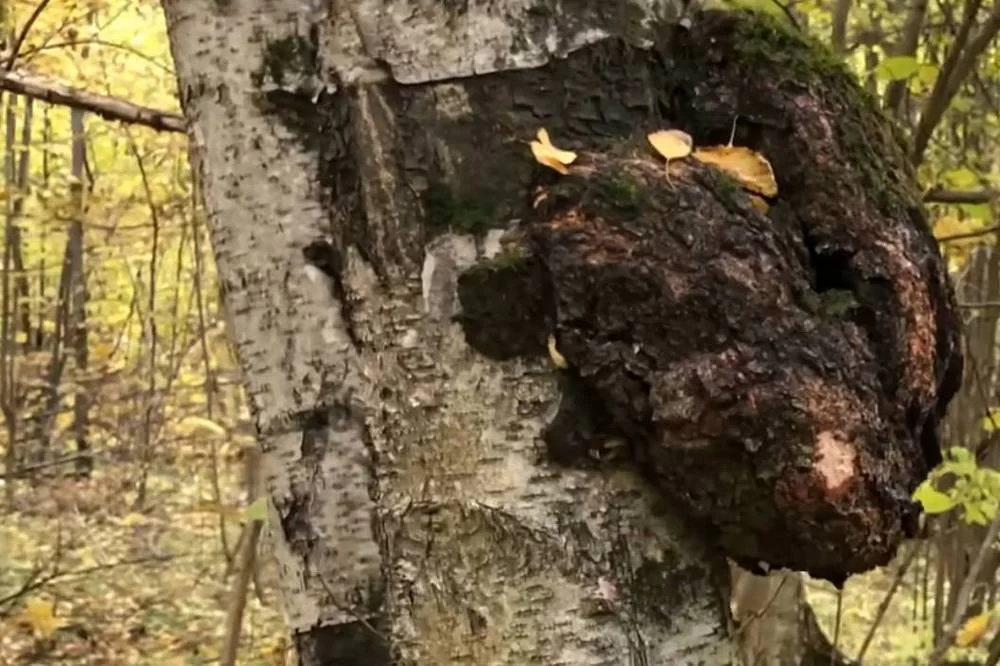
Chaga (Inonotus obliquus) is a sterile, infertile fungal growth (a bracket fungus) that develops on birch trunks. It has been used for centuries in the folk medicine of Northern Europe and Siberia. In recent decades, its properties have been actively studied by science, including in the context of metabolic disorders such as type 2 diabetes.
Potentially Beneficial Properties of Chaga in Type 2 Diabetes
Scientific evidence is based mainly on in vitro (test-tube) studies and animal experiments. Large-scale clinical trials in people with diabetes are still lacking, so all conclusions remain preliminary.
1. Effects on Blood Glucose Levels and Insulin Resistance
This is the primary area of interest. Some studies in animal models of diabetes have shown that chaga extract may:
Lower fasting blood glucose levels.
Improve insulin sensitivity in peripheral tissues, thereby reducing insulin resistance.
Slow carbohydrate absorption in the intestine by inhibiting digestive enzymes (alpha-glucosidase and alpha-amylase), similar to the mechanism of the drug acarbose.
Protect pancreatic beta cells from damage.
2. Strong Antioxidant and Anti-Inflammatory Effects
Chaga is considered one of the most powerful natural antioxidants due to its high content of melanin and polyphenols. Since chronic inflammation and oxidative stress play a key role in the development of insulin resistance and diabetic complications, this property is regarded as particularly important.
3. Support of Lipid Profile
There is evidence suggesting that chaga may help normalize blood cholesterol and triglyceride levels, which is important for the prevention of atherosclerosis in people with diabetes.
4. Immunomodulatory Effect
Chaga polysaccharides may support immune system function, which is relevant because people with diabetes are more susceptible to infections.
How Chaga Is Used: Main Forms
Tea/Infusion (traditional method): Dried and crushed chaga is poured with hot, but not boiling, water (60–70 °C) to preserve active compounds and infused for several hours or in a thermos. It is usually taken in courses.
Decoction: A more concentrated form, but prolonged boiling may destroy some active substances.
Alcohol tincture: Used less frequently, considering the need to limit alcohol intake in diabetes.
Pharmacy extracts and dietary supplements: Capsules or liquid extracts with standardized dosages.
Critically Important Warnings and Contraindications
1. NOT A SUBSTITUTE FOR STANDARD TREATMENT
Chaga is a supportive remedy, not a treatment for diabetes. Under no circumstances can it replace diet, physical activity, glucose-lowering medications, or insulin.
2. Risk of Hypoglycemia
This is the main practical concern. If chaga does have glucose-lowering effects, its combined use with insulin or sulfonylurea drugs (such as glibenclamide or gliclazide) may lead to a sharp and dangerous drop in blood glucose levels (hypoglycemia).
3. Drug Interactions
Chaga may interact with:
Anticoagulants (warfarin, low-dose aspirin): increased risk of bleeding.
Insulin and oral glucose-lowering drugs: increased risk of hypoglycemia.
Diuretics: chaga has a mild diuretic effect, which may potentiate their action.
4. Contraindications
Autoimmune diseases (rheumatoid arthritis, multiple sclerosis, etc.): due to its immune-stimulating effect, chaga may provoke exacerbations.
Pregnancy and breastfeeding: safety data are lacking.
Chronic kidney disease: the mushroom accumulates oxalates, which may worsen kidney function.
Allergy or individual intolerance.
5. Quality of Raw Material and Duration of Use
Chaga should be harvested in ecologically clean areas (away from roads) and properly dried. Long-term continuous use (more than 3–4 months without a break) is not recommended.
Rules for Safe Use in Type 2 Diabetes
Medical consultation is mandatory. Before starting chaga, it is essential to discuss this with your endocrinologist. The physician will assess your treatment regimen, the risk of hypoglycemia, and possible interactions.
Start with small doses and monitor glucose levels. Begin with a weak infusion (for example, 1 teaspoon per 500 ml of water) and check blood glucose more frequently, especially during the first days, to assess individual response.
Take separately from food and medications. It is recommended to drink chaga infusion 30–40 minutes before meals or at least 2 hours after eating and taking medications.
Use in courses. Commonly suggested regimens are 3–4 months of use followed by a 1–2 month break.
Do not expect miracles. Chaga should be viewed as a potential adaptogen and source of antioxidants, not as a means to discontinue insulin or other essential therapies.
Key Takeaway
Chaga in type 2 diabetes is a promising but insufficiently studied natural product with potential supportive benefits.
Potential benefits: may exert complex effects on carbohydrate and lipid metabolism and help protect the body from oxidative stress.
Main risk: development of hypoglycemia when used together with glucose-lowering medications.
Core rule: use only after consulting a physician and with careful self-monitoring of blood glucose levels.
Not a replacement for treatment: it remains only a possible biologically active supplement to the main, evidence-based therapy for type 2 diabetes.
The decision to use chaga should be balanced and informed, with safety and professional medical supervision as top priorities.