

Flour and Type 2 Diabetes: How to Choose a Safe Base for Baking
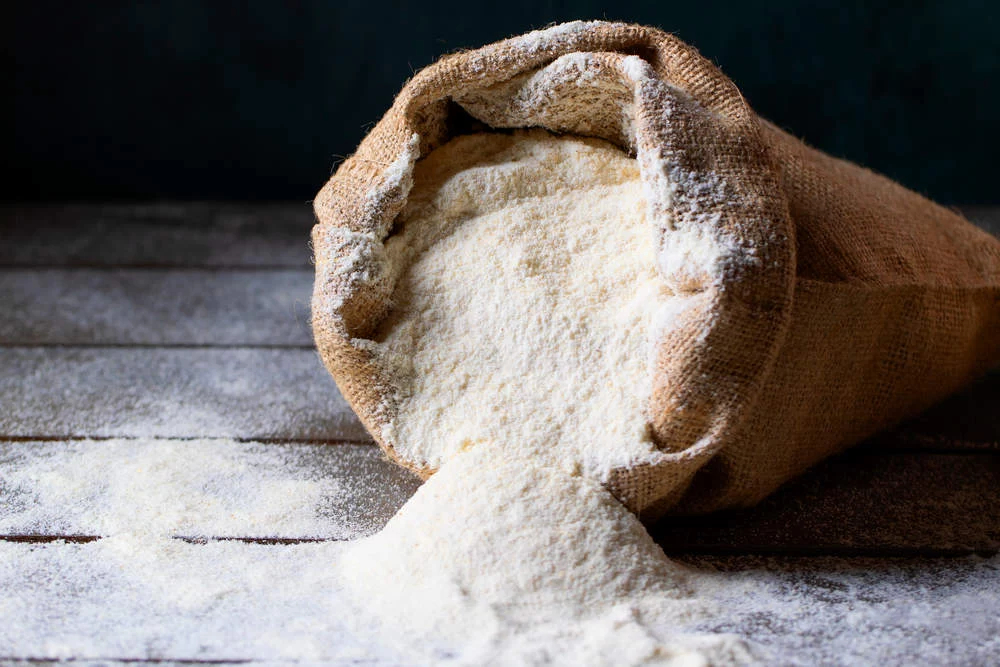
Choosing the right flour is one of the key aspects of building a healthy diet for people with type 2 diabetes. This choice directly affects whether your homemade baked goods or sauces become a friend or an enemy to your blood sugar levels. Regular refined wheat flour is the most dangerous option, but that doesn’t mean you have to give up baking altogether. You just need to know the alternatives.
Why Is White Wheat Flour Harmful?
High glycemic index (GI ≈ 85). It is quickly converted into glucose, causing a sharp spike in blood sugar.
Minimal fiber and nutrients. During refining, the most valuable parts of the grain—the bran and germ, which contain fiber, vitamins, and minerals—are removed. What remains are mostly “empty” fast carbohydrates.
Contributes to insulin resistance. Regular consumption of products made with refined flour worsens the core problem of type 2 diabetes.
Criteria for Choosing Healthier Flour
Look for flour with the following characteristics:
Low or medium glycemic index. Digested slowly, without sharp glucose spikes.
High fiber content. Fiber slows carbohydrate absorption, improves digestion, and promotes satiety.
Rich nutrient profile. Presence of protein, healthy fats, B vitamins, magnesium, and zinc.
Overview of Flour Types: From Best to Acceptable
Top Choices (Safest Options)
1. Almond Flour
Pros: Very low in carbohydrates, rich in healthy fats, protein, and fiber. Gives baked goods a tender texture and pleasant nutty flavor. GI around 25.
Cons: High in calories and relatively expensive. Not suitable for people with nut allergies.
Use: Ideal for muffins, cookies, and low-carb cake layers. Often requires more eggs for binding.
2. Flaxseed Flour
Pros: Extremely high in fiber and omega-3 fatty acids. Has gelling properties and supports digestion. GI around 35.
Cons: Distinct flavor and dense texture.
Use: Commonly used as an addition (1–2 tablespoons) to other flours, for breading, in protein shakes, or as an egg substitute (1 tbsp flour + 3 tbsp water = 1 egg).
3. Coconut Flour
Pros: Rich in fiber and protein, contains healthy fats. Absorbs a lot of liquid. GI around 45.
Cons: Requires much more liquid and eggs in recipes. Has a noticeable coconut flavor.
Use: Best combined with other flours (usually no more than 1/4 of the total volume), suitable for dense muffins and bread.
Good Choices (Portion Control Needed)
4. Chickpea (Garbanzo) Flour
Pros: High in protein and fiber, medium GI (around 35). Neutral taste.
Cons: In large amounts, it can have a distinct legume flavor.
Use: Savory baking, flatbreads, pancakes, soup thickening, and breading.
5. Oat Flour (Whole-Grain, Not Instant)
Pros: Contains beta-glucan, which slows glucose absorption and helps lower cholesterol. GI around 40.
Cons: Still relatively high in carbohydrates, so portion size matters.
Use: Pancakes, cookies, or as an addition to dough for extra satiety. Easy to make at home by grinding rolled oats.
6. Whole-Grain Rye Flour
Pros: High in fiber, with a relatively low GI for a grain flour (around 40–45). A traditional choice for diabetic bread.
Cons: Produces dense, heavy dough and doesn’t rise well without wheat gluten.
Use: Bread and flatbreads. Best mixed with a small amount of whole wheat flour for better texture.
Conditionally Acceptable (Use with Caution)
7. Whole Wheat Flour
Pros: Contains 3–4 times more fiber than refined flour, plus vitamins and minerals. Medium GI (around 50–55).
Cons: Still contains gluten and a significant amount of carbohydrates. The key rule: it is less harmful, but not truly safe. Moderation is essential.
Use: Gradually replacing white flour with whole wheat flour in familiar recipes is a good first step.
What Should Be Avoided?
Refined wheat flour (all-purpose and similar grades).
Rice flour (high GI, around 70).
Corn flour (high GI, around 70).
Practical Tips for Use
Experiment with blends. The best diabetic-friendly baked goods often use flour combinations (for example, almond + coconut + a spoon of flaxseed flour).
Control portion sizes. Even the healthiest flour contains carbohydrates and calories. A small muffin made with almond flour is better, but still shouldn’t be eaten all at once.
Add extra fiber. Even when using whole-grain flour, you can add bran (oat or wheat), chia seeds, or flax seeds to lower the overall GI.
Always read ingredient labels on store-bought products. “Rye” or “bran” bread is often made primarily from white flour with minimal additions.
Test with a glucometer. Individual responses vary. Measure your blood sugar 1.5–2 hours after trying a new recipe to see if that flour works for you.
Conclusion
With type 2 diabetes, flour is not a forbidden ingredient but a field for culinary experimentation. Switching from refined white flour to whole-grain, nut-based, and legume-based alternatives is an important step toward stable blood sugar levels, new flavors, and overall healthier eating. Start small—for example, with chickpea or oat flour pancakes—and notice the difference in how you feel.