

Bran in Type 2 Diabetes: Not Waste, but a Superfood for Blood Sugar Control
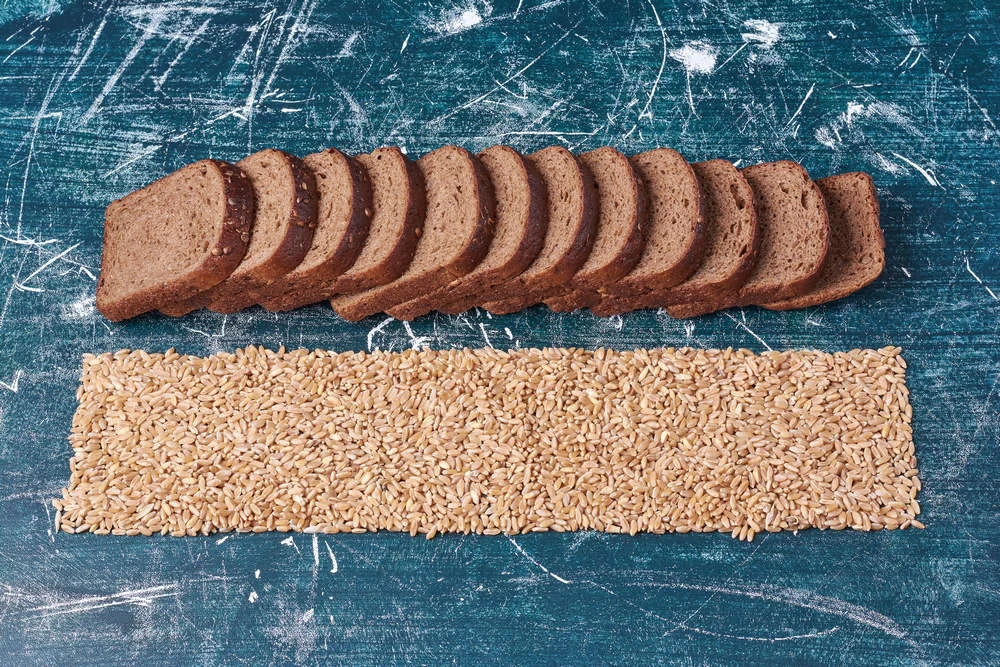
In the fight for stable blood glucose levels, bran is one of the most powerful and affordable allies. It is not just “bulk” or a weight-loss supplement, but an important functional food that directly influences the key mechanisms of type 2 diabetes.
What Is Bran and Why Is It So Beneficial?
Bran is the hard outer layer of the grain (wheat, rye, oats, buckwheat) that is removed during the production of refined white flour. This layer contains up to 90% of the grain’s biologically active compounds: fiber (dietary fiber), B vitamins, minerals (magnesium, zinc, selenium), antioxidants, and protein.
For type 2 diabetes, the value of bran lies in its impact on three main fronts:
1. Blood Glucose Control (the primary effect)
Slower absorption. Soluble fiber (especially abundant in oat bran) forms a gel-like substance in the intestine. This gel creates a physical barrier that slows the breakdown and absorption of carbohydrates. As a result, sugar enters the bloodstream smoothly and gradually, rather than in sharp spikes.
Lowering the glycemic index (GI) of meals. Adding 1–2 tablespoons of bran to porridge, cottage cheese, or dough significantly reduces the overall GI of the dish.
2. Improved Insulin Sensitivity
Combating insulin resistance. Stable blood sugar without sharp peaks reduces the workload on the pancreas, giving cells a “break” and helping restore insulin sensitivity.
Magnesium support. Bran is rich in magnesium, which directly participates in glucose metabolism and the function of insulin receptors.
3. Support for Weight Loss and Weight Control
Satiety. Bran swells in the stomach, creating a long-lasting feeling of fullness and helping prevent overeating and unplanned snacking.
Low calorie density. Despite their volume, bran contains relatively few calories.
Improved digestion. Insoluble fiber (predominant in wheat bran) normalizes bowel function, which is important for overall metabolism and detoxification.
Which Bran to Choose and How to Use It Properly?
Types of Bran (from most recommended)
Oat bran
The champion of soluble fiber (beta-glucan).
The strongest effect on lowering the GI of meals and cholesterol levels.
Ideal for beginners due to its mild texture and neutral taste.
Rye bran
A balanced fiber profile.
Rich in minerals, with a more pronounced, slightly bitter flavor.
Wheat bran
The leader in insoluble fiber.
Best for stimulating bowel function.
Coarser in texture.
Flaxseed and buckwheat bran
Excellent for variety.
Flaxseed bran is rich in omega-3 fatty acids.
Buckwheat bran is gluten-free.
Golden Rules of Use (to avoid harm)
Start with small amounts. Begin with 1 teaspoon per day. Gradually increase over 2–3 weeks to 1–2 tablespoons per day. A sudden increase in fiber can cause bloating, gas, and discomfort.
Drink plenty of water. Bran works only when it absorbs liquid (1 tablespoon of bran requires at least 1 glass of water). Without sufficient fluid intake, it may cause constipation.
Do not eat it dry. Always soak it, add it to liquids, or mix it into prepared dishes.
Consider the overall diet. Bran is a supplement, not a replacement for other healthy foods.
Practical Ideas: How to Include Bran in Your Diet
Breakfast: Add a spoonful to cooked oatmeal, buckwheat, or any other porridge. Mix with yogurt, kefir, or cottage cheese.
Baking: Replace up to 1/4 of the flour in pancakes, muffins, or bread recipes with bran to reduce the carbohydrate load.
Breading: Use bran instead of breadcrumbs for cutlets or chicken.
Thick soups or sauces: Add a spoonful for thickness and extra nutritional value.
Smoothies: Blend with kefir, berries, and greens.
Contraindications and Precautions
Exacerbations of gastrointestinal diseases: gastritis, colitis, ulcers, pancreatitis.
Irritable bowel syndrome.
Vitamin or mineral deficiencies (excessive bran intake can interfere with the absorption of certain nutrients. Solution: consume bran separately from vitamins and main meals, with a 1–2 hour interval).
Individual intolerance.
Conclusion
Bran in type 2 diabetes is a simple, effective, and inexpensive preventive and supportive tool. Regular consumption in appropriate amounts is a “maximum benefit with minimal effort” strategy: smoothing blood sugar spikes, improving insulin sensitivity, controlling weight, and supporting digestion. Start with a teaspoon of oat bran in the morning—and your body will thank you.