

Seafood and Type 2 Diabetes: The Ideal Protein for Metabolic Health
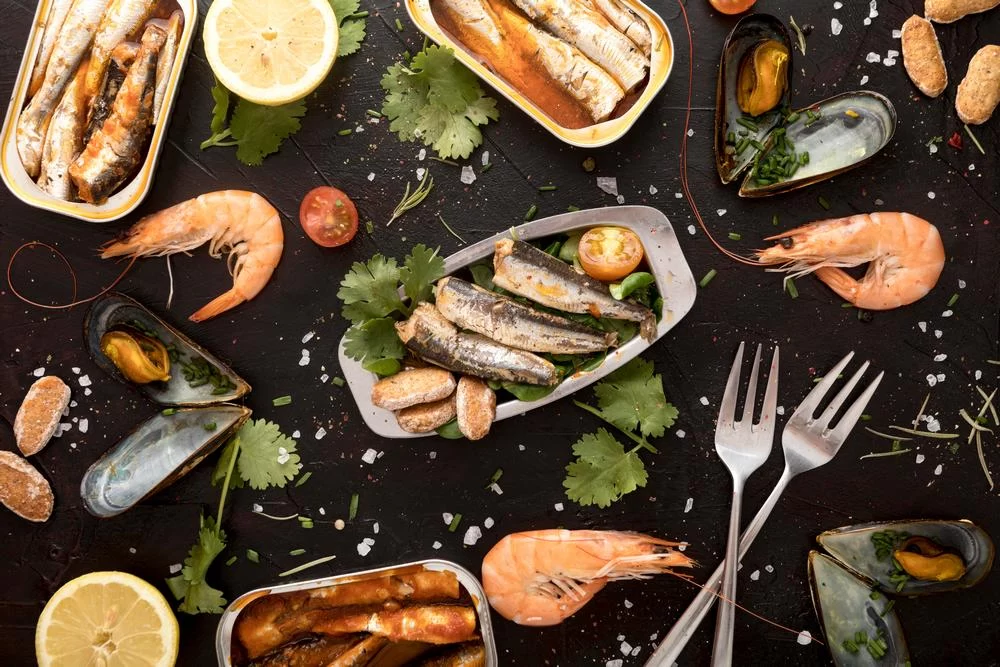
Seafood (fish, shrimp, squid, mussels, octopus, and others) is not just a delicacy—it is one of the most valuable components of a diet for people with type 2 diabetes. From a nutritional standpoint, seafood is close to an ideal food for controlling blood sugar, managing weight, and preventing complications.
Why is seafood a superfood for diabetes?
1. High-quality protein with zero carbohydrate impact
Seafood proteins are easily digested and do not raise blood glucose levels. They promote long-lasting satiety, helping control appetite and support weight loss—a key goal in type 2 diabetes management.
2. Exceptionally low in saturated (“bad”) fats
Most seafood, especially white fish and shellfish, contains minimal amounts of harmful fats that worsen insulin resistance and accelerate atherosclerosis.
3. A rich source of omega-3 polyunsaturated fatty acids (especially in fatty fish)
Anti-inflammatory effect: Chronic inflammation accompanies insulin resistance. Omega-3s (EPA and DHA) help suppress it.
Cardiovascular protection: They lower triglyceride levels, improve vascular health, and reduce the risk of atherosclerosis—the main cause of diabetic complications.
Improved insulin sensitivity: Some studies suggest omega-3s may enhance cellular responsiveness to insulin.
4. A treasure trove of essential micronutrients
Selenium and zinc: Involved in insulin synthesis and function; powerful antioxidants that protect cells from damage.
Iodine: Crucial for thyroid health, which is closely linked to carbohydrate metabolism.
Vitamin D: Its deficiency is directly associated with insulin resistance and the development of diabetes. Fatty fish (salmon, herring) is one of the few dietary sources of this vitamin.
Seafood ranking: from most beneficial to acceptable
Group 1: Omega-3 champions (consume 2–3 times per week)
Wild salmon, mackerel, herring, sardines, trout, halibut.
Why: The highest concentrations of EPA and DHA. A top choice for cardiovascular protection.
Group 2: Ideal lean protein (can be eaten more often)
Cod, pollock, haddock, flounder, blue whiting, pike, zander, shrimp, squid, scallops, mussels.
Why: Almost pure protein with very low calorie content. Ideal for weight loss and everyday meals.
Group 3: Consume with caution
Smoked or salted fish, imitation crab sticks, large predatory fish (tuna, shark, which may accumulate mercury).
Why: Excess salt raises blood pressure, while added sugars and starches in processed foods can affect glycemic control.
Key rules for choosing and cooking seafood
Core principle: preserve the benefits and avoid adding harm.
✅ Healthy cooking methods:
Steaming
Baking in foil or parchment (with herbs, lemon, vegetables)
Poaching in a small amount of water or tomato juice
Grilling (without forming a heavy char)
❌ Methods to avoid:
Frying in large amounts of oil or deep-frying
Cooking in calorie-dense creamy, cheesy, or flour-based sauces
Buying ready-made battered or breaded products
Practical tips for daily meals
Combine with fiber. The ideal plate: baked fish plus a large portion of fresh salad or stewed vegetables. Fiber further slows nutrient absorption and helps control blood sugar.
Control protein portions. The recommended serving size is 100–150 g of cooked product (about the size of your palm without fingers).
Read labels on canned products. Choose fish packed in its own juice rather than oil, and drain the liquid. For fish in tomato sauce, check for added sugar.
Experiment with varieties. Alternate between fatty and lean fish; try mussels, squid, and scallops. This diversifies both flavor and nutrient intake.
Prioritize safety. Thoroughly cook seafood, especially if you have gastrointestinal issues. Prefer wild-caught fish or trusted aquaculture sources.
Are there any risks?
Allergy is the main contraindication.
Gout: During flare-ups of purine metabolism disorders, intake of shrimp, mussels, and sardines should be limited.
Excess salt and harmful additives in processed products (canned foods, imitation crab). Solution: choose whole, fresh, or frozen seafood.
Conclusion
Seafood is one of the cornerstones of healthy nutrition for people with type 2 diabetes. It provides everything the body needs to combat insulin resistance and protect the heart and blood vessels—without threatening blood glucose levels. Regularly including a variety of seafood in your diet (at least 2–3 times per week) is not a dietary burden, but a tasty and effective investment in long-term health management.