

Arugula and Type 2 Diabetes: A Peppery Green with Proven Benefits
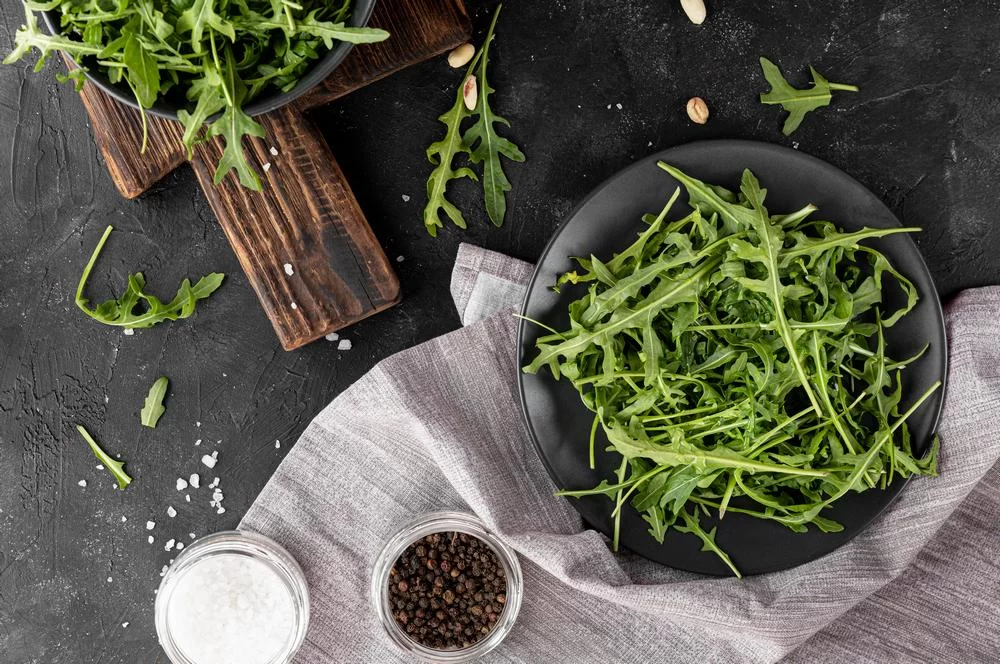
Arugula (also known as rocket or roquette) is not just a trendy ingredient for salads and Italian cuisine. For people with type 2 diabetes, this spicy green with a sharp, slightly mustard-like flavor can become a valuable component of therapeutic and preventive nutrition. Regular inclusion in the diet supports the main goals of a diabetic eating plan: glucose control, improvement of the metabolic profile, and overall health maintenance.
Why is arugula especially полезна for diabetes? Evidence-based advantages
1. Extremely low glycemic index and glycemic load
Arugula contains a minimal amount of carbohydrates, most of which are dietary fiber. This means it has almost no effect on blood sugar levels. It can — and should — be eaten without fear of sharp glucose spikes.
2. A source of antioxidants against oxidative stress
Diabetes is accompanied by increased formation of free radicals. Arugula is rich in:
Glucosinolates (sulforaphane): These compounds, responsible for arugula’s bitterness, have powerful anti-inflammatory and detoxifying effects and help protect cells from damage.
Vitamin C, carotenoids (lutein, zeaxanthin), flavonoids: Strengthen blood vessel walls, protect vision (helping prevent diabetic retinopathy), and combat chronic inflammation underlying insulin resistance.
3. Cardiovascular system support
Potassium and magnesium: Contribute to lowering blood pressure.
Vitamin K: Critically important for normal blood clotting and bone health.
Folate and fiber: Help regulate homocysteine and cholesterol levels, reducing overall cardiovascular risk, which is elevated in diabetes.
4. Assistance with weight control
Arugula is very low in calories (about 25 kcal per 100 g) and high in water and fiber. It promotes satiety and increases portion volume without adding excess calories, helping maintain or reduce weight — a key factor in managing type 2 diabetes.
5. Potential effect on insulin sensitivity
Some animal studies and preliminary data suggest that extracts of cruciferous vegetables (a group that includes arugula) may improve cellular glucose uptake. Although larger human studies are needed for definitive conclusions, the overall biochemical profile of arugula supports metabolic health.
How to include arugula in a diabetic diet: practical tips
Salad base: Replace part of neutral lettuce (such as iceberg) with arugula. Combine with other non-starchy vegetables (cucumbers, tomatoes, peppers), a protein source (chicken breast, salmon, tofu, egg), and healthy fats (avocado, olive oil, nuts).
Side dish: Serve a large handful of fresh arugula as a “green bed” with fish, meat, or poultry instead of traditional grain or potato sides.
Smoothie addition: A small handful of arugula adds greens, vitamins, and micronutrients to a morning vegetable or berry smoothie without significantly changing the taste.
Sauces and pesto: Blend arugula with pine nuts or walnuts, garlic, parmesan, and olive oil for a healthy and flavorful sauce for whole-grain pasta or dressing.
Quick sauté: Cook arugula in a pan with garlic and a drop of olive oil for 1–2 minutes until just wilted.
Precautions and important nuances
Medication interactions: High vitamin K content may affect anticoagulants (warfarin). If you take them, keep your intake of leafy greens consistent (do not eliminate them, but also do not sharply increase consumption) and discuss with your doctor.
Kidney stones: Arugula contains oxalates. If you are prone to oxalate kidney stones, consumption should be moderate.
Individual intolerance: As with any food, allergic reactions are rare but possible.
Conclusion
Arugula is a true superfood for a diabetic diet. It fits perfectly into a low-glycemic, fiber-rich, vitamin- and antioxidant-dense eating pattern. Regular consumption is a simple, tasty, and effective way to diversify the menu, strengthen vascular protection, and help maintain stable blood glucose levels.
Key formula: With diabetes, half of your plate should consist of non-starchy vegetables. Let arugula take a worthy place on it!