

Vegetables in Type 2 Diabetes: The Foundation of Nutrition and a Key Tool for Control
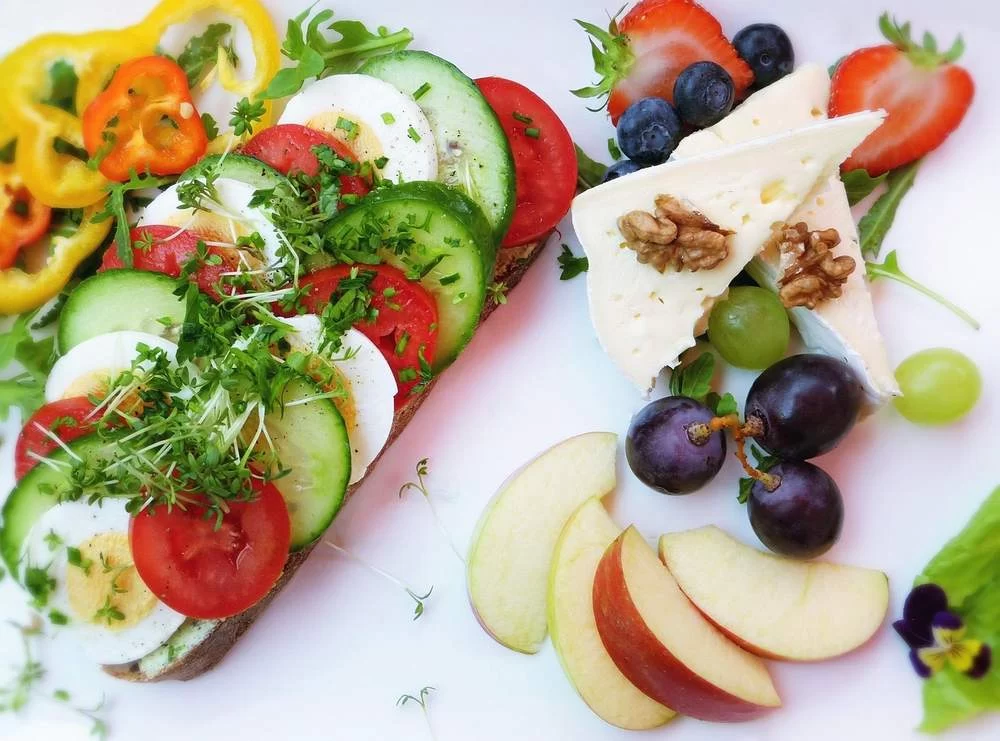
For a person with type 2 diabetes, vegetables are not just a healthy addition to the diet. They are the cornerstone of proper nutrition, a “super-weapon” for controlling blood sugar levels, and a powerful factor in preventing complications. Learning how to choose and prepare vegetables correctly is one of the key skills for successful diabetes management.
Why are vegetables critically important?
1. Rich in fiber (dietary fiber).
This is their main advantage. Fiber slows the absorption of glucose and fats from the intestine, preventing sharp spikes in blood sugar after meals. It also creates a long-lasting feeling of fullness, helping with weight control.
2. Low calorie and low glycemic load.
Most vegetables contain very few digestible carbohydrates and calories, allowing you to eat large portions without harming body weight or glucose levels.
3. Abundance of vitamins, antioxidants, and minerals.
Diabetes is associated with increased oxidative stress. Antioxidants (vitamins C and E, beta-carotene, flavonoids) from vegetables help protect blood vessels, nerves, eyes, and kidneys from damage. Potassium and magnesium support heart health.
4. Improved gut microbiota health.
Fiber acts as a prebiotic — food for beneficial intestinal bacteria. A healthy microbiota is directly linked to better insulin sensitivity and lower inflammation.
Which vegetables can and should be eaten freely? (Non-starchy)
These vegetables should make up at least half of your plate at main meals. They contain very few carbohydrates (about 2–5 g per 100 g).
Everything that grows above ground (leafy and green):
Spinach, arugula, all types of lettuce, sorrel, Swiss chard, celery (stalks), cabbage (white, Chinese/Napa, Brussels sprouts, kohlrabi, broccoli, cauliflower), zucchini, courgette, cucumbers, asparagus, green beans, radishes, bell peppers, tomatoes (botanically a fruit but nutritionally considered a vegetable).
Mushrooms
Rule: The darker and more intense the color (dark-green spinach, purple eggplant, bright orange carrots), the more beneficial antioxidants the vegetable contains.
Which vegetables should be eaten in moderation? (Starchy)
These vegetables contain more carbohydrates (about 10–20 g per 100 g) and have a higher glycemic index. They do not need to be excluded, but portions must be controlled and counted in the daily carbohydrate intake.
Carrots (especially boiled), beets, pumpkin, turnip, eggplant, onions
“Underground” vegetables (tubers): potatoes, sweet potatoes, corn, parsnips, Jerusalem artichoke
These vegetables are equivalent to bread and grains. A portion the size of your fist replaces 1–2 slices of bread.
Tip: Eat starchy vegetables as part of a balanced meal with protein (meat, fish, poultry, tofu) and non-starchy vegetables to further slow the rise in blood glucose.
Vegetables to avoid or strictly limit
Canned vegetables (peas, corn, beans in tomato sauce with added sugar and vinegar)
Pickled and salted vegetables (cucumbers, tomatoes, cabbage) due to excess sodium, which raises blood pressure and kidney load
French fries, chips, battered or deep-fried vegetables — because of the combination of fast carbohydrates and unhealthy trans fats
How to prepare and consume vegetables correctly with diabetes
1. Raw (salads):
Maximum benefits, vitamins, and fiber. Dress with vegetable oils (olive, flaxseed), unsweetened yogurt, or sour cream rather than mayonnaise or commercial sweet sauces.
2. Steamed, grilled, baked, or stewed:
Optimal cooking methods that preserve nutrients. Avoid prolonged boiling, which increases the glycemic index (for example, carrots and beets).
3. Soups:
Prefer vegetable purée soups or light broths rich in non-starchy vegetables. Count potatoes and grains in soups as part of total carbohydrates.
4. Smoothies:
Be careful. Even vegetable smoothies destroy the physical structure of vegetables; fiber is partially broken down and glucose is absorbed faster. A whole vegetable is always preferable to juice or smoothies.
The “Diabetes Healthy Plate” practical rule
Mentally divide your plate into four parts:
1/2 of the plate (50%) — Non-starchy vegetables (salad greens, cucumbers, broccoli, zucchini)
1/4 of the plate (25%) — Protein (chicken, fish, tofu, eggs)
1/4 of the plate (25%) — Slow carbohydrates (a portion of starchy vegetables such as potatoes or sweet potatoes, or whole grains/pasta)
Conclusion
Vegetables are your best allies in controlling type 2 diabetes. Their variety, proper preparation, and regular consumption in large amounts:
Directly improve blood sugar stability
Help reduce and control weight
Protect against cardiovascular complications
Add flavor, color, and nutritional value to the diet
Make vegetables the main hero of every meal, and you will take a major step toward managing your health.