

Spinach in Type 2 Diabetes: Why Do Dietitians Call It a “Superfood”?
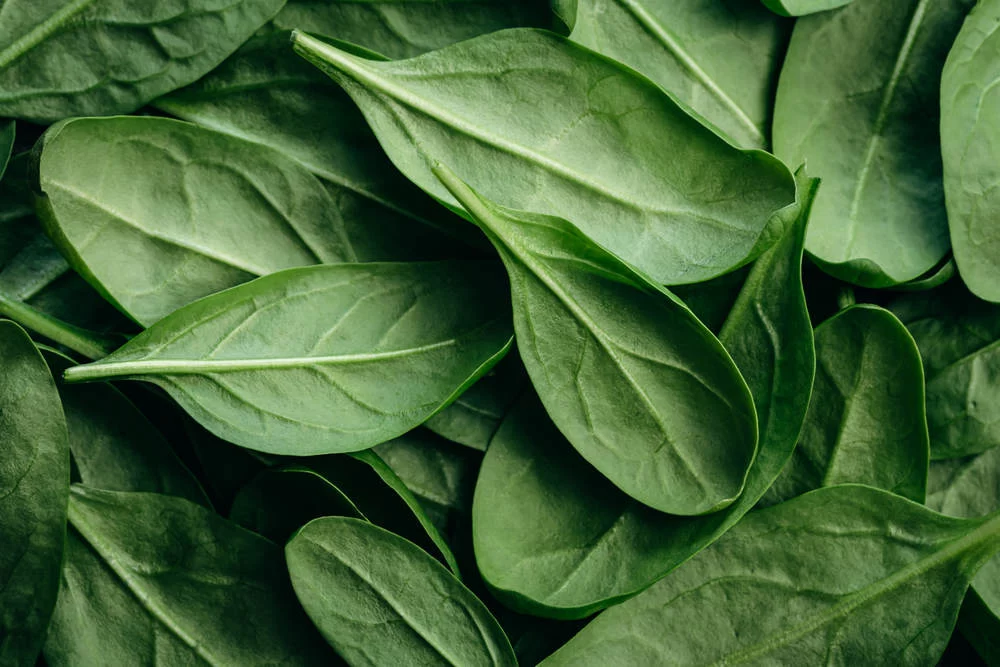
Type 2 diabetes is a condition in which proper nutrition plays a role just as important as medication. The main goal of a diabetic diet is to control blood glucose levels and prevent sharp spikes in blood sugar. In this context, spinach is a real find for people with diabetes. It is not just a leafy vegetable, but a powerful ally in the fight for better health.
Here is why spinach should definitely be included in the diet of someone with type 2 diabetes.
1. Low Glycemic Index (GI)
Spinach has a glycemic index of about 15, which is extremely low. This means that the carbohydrates it contains are absorbed very slowly and do not cause a rapid rise in blood sugar levels. You can safely add spinach to a variety of dishes without worrying about hyperglycemia.
2. Minimal Calories and Carbohydrates
Spinach is an ideal food for weight control, which is critically important in type 2 diabetes (insulin resistance is often directly linked to excess weight). One hundred grams of fresh spinach contains only 23 calories and a minimal amount of easily digestible carbohydrates. It adds volume to your plate, helping you feel full without overloading the pancreas.
3. Fighting Insulin Resistance
Research suggests that the antioxidants found in spinach (particularly alpha-lipoic acid) may help improve insulin sensitivity. Alpha-lipoic acid can help lower blood glucose levels and combat oxidative stress, which develops more rapidly in people with diabetes due to frequent blood sugar fluctuations.
4. Protecting Blood Vessels and Vision (Prevention of Complications)
Diabetes is dangerous because of its vascular complications: the eyes, kidneys, legs, and heart are especially vulnerable.
Lutein and Zeaxanthin: These carotenoids accumulate in the retina and protect it from damage, reducing the risk of diabetic retinopathy.
Nitrates: Unlike the nitrates found in processed meats, the natural nitrates in spinach are beneficial for blood vessels — they help dilate them, lower blood pressure, and improve circulation, thereby protecting the heart.
Vitamin K: Essential for bone health (bones can become more fragile in diabetes) and for proper blood clotting.
5. Magnesium Against High Blood Sugar
Spinach is an excellent source of magnesium. This mineral participates in hundreds of biochemical processes, including glucose metabolism. Adequate magnesium levels are associated with a lower risk of developing diabetes and with better blood sugar control in those who already have the condition.
How Should People with Diabetes Eat Spinach?
To get the maximum benefit, it is important to follow a few guidelines:
Fresh or cooked? Both are beneficial. Fresh spinach contains more vitamin C and folate. Cooked or stewed spinach has a higher concentration of lutein and certain other antioxidants (because the leaf volume decreases, making them more concentrated per serving). Heat treatment also helps neutralize oxalic acid.
What to combine it with? Ideally, pair spinach with protein-rich foods: add it to an omelet (eggs), serve it with fish, chicken, or tofu. This slows digestion and prolongs satiety. A great option is a fresh spinach salad with avocado and olive oil (healthy fats improve the absorption of fat-soluble vitamins).
What to avoid? Avoid canned spinach — it is often high in salt and preservatives and offers minimal benefits. Be cautious with spinach dishes prepared with cream, large amounts of cheese, or heavy sauces, as they significantly increase calorie content and may negatively affect vascular health.
Are There Any Contraindications?
Despite its many benefits, there are some considerations. Spinach contains oxalates (oxalic acid). During cooking, a significant portion of oxalates leaches into the water.
If you have kidney stones (especially oxalate stones) or gout, it is better to eat spinach boiled, discard the first cooking water, and limit the quantity — ideally after consulting your doctor.
If you take blood-thinning medications (such as warfarin), it is important to maintain a consistent intake of vitamin K–rich foods like spinach, as sudden changes may affect how the medication works.
Conclusion
Spinach in type 2 diabetes is not just allowed — it is strongly recommended. It helps control blood sugar, protects vision and the heart, and supports weight management. A handful of fresh spinach in a salad or a serving of stewed spinach as a side dish is a simple and delicious contribution to your health.