

Tan and Type 2 Diabetes: Benefits, Risks, and Rules for Consumption
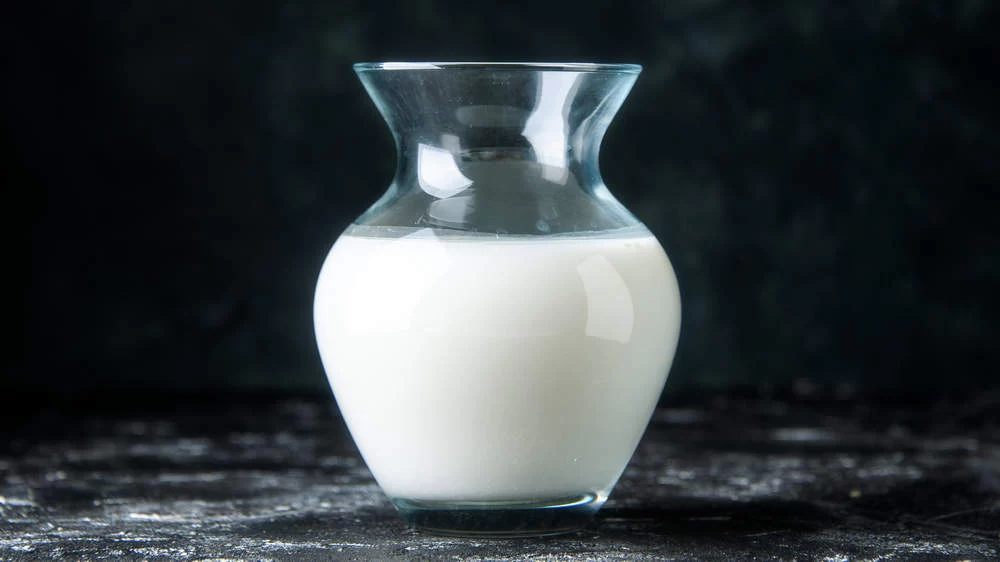
Tan (and its “brother” Ayran) is traditionally considered a healthy drink that aids digestion and quenches thirst. However, with type 2 diabetes, its selection should be approached with special attention. The main rule here is to carefully read the label and know your limits.
Composition and Potential Benefits
At its core, if it is a high-quality product without additives, tan can provide certain benefits:
Easily digestible protein. Like all dairy products, tan contains protein, which is necessary for maintaining muscle mass and promoting a long-lasting feeling of fullness.
Probiotics. The drink is produced through fermentation, so it contains live lactic acid bacteria. They have a beneficial effect on the intestinal microflora, and a healthy gut is important for strong immunity and even better weight control.
Thirst relief. Thanks to its salt content and slightly sour taste, tan can be very refreshing in hot weather, helping to prevent dehydration.
Main Risks for People with Diabetes
Despite these advantages, there are two key factors that may make tan an undesirable product in your diet.
1. Salt (Sodium) — A Hidden Threat
The traditional recipe for tan includes added salt. It is an integral part of the drink.
Why is this dangerous? In type 2 diabetes, the cardiovascular system and kidneys are often affected. High blood pressure (hypertension) is a common companion of diabetes.
Mechanism: Excess salt retains fluid in the body, increases blood volume, and consequently raises blood pressure.
Complications: For people with diabetic nephropathy (kidney damage), a high salt load can be especially harmful because the kidneys are already under strain.
Conclusion: If you have diagnosed hypertension or kidney problems, it is better to avoid salty tan and choose unsalted fermented dairy products instead (such as kefir or natural yogurt).
2. Sugar — A “Slow Trap”
This is the most deceptive factor. Many manufacturers add sugar to make the drink more pleasant and familiar for consumers.
In practice: You may buy “tan” thinking it is a healthy fermented dairy drink, but in reality get a sweet carbonated beverage.
Consequences: Sugar can cause a sharp and rapid spike in blood glucose levels, which is unacceptable for people with type 2 diabetes.
Conclusion: Never buy tan without reading the ingredient list. If it contains sugar, syrup, glucose, or fructose, the product is not suitable for you.
What If You Really Want It?
If you enjoy tan and would like to include it occasionally in your diet, follow these rules:
Study the label like a detective. Look for a product with a minimal ingredient list: milk (or matsoni), water, salt, and starter culture. No sugar.
Control the portion size. Even a safe tan contains salt. Limit yourself to one glass (200 ml) and do not drink it every day. Let it be an occasional treat rather than a regular beverage.
Make it at home. This is the most reliable way to get a safe drink.
Recipe: Take 1 part low-fat kefir or plain yogurt without additives. Mix it with 1 part cold boiled water. Add finely chopped herbs (dill, parsley, cilantro — they are healthy and add flavor). Add just a pinch of salt, or try making it without salt by adding more herbs. Whisk with a whisk or shake in a shaker.
Check your body’s reaction. Measure your blood sugar with a glucometer 1.5–2 hours after drinking it. This will help you understand your body’s individual response to the product.
Alternatives
If you want the benefits of fermented dairy products without the risks associated with salt and sugar, choose classic options:
Kefir (especially fat-free or 1%)
Plain yogurt without additives
Sour milk (prostokvasha)
Ryazhenka (with caution, as it is often higher in calories)
Conclusion
Tan with type 2 diabetes is not strictly prohibited, but it requires strict control. It can only be consumed if you are sure that there is no sugar in the ingredients, you do not have problems with blood pressure or kidneys, and you limit yourself to a small portion. In most cases, however, regular unsalted fermented dairy drinks will be a safer choice.