

Ramsons (Wild Garlic) and Type 2 Diabetes
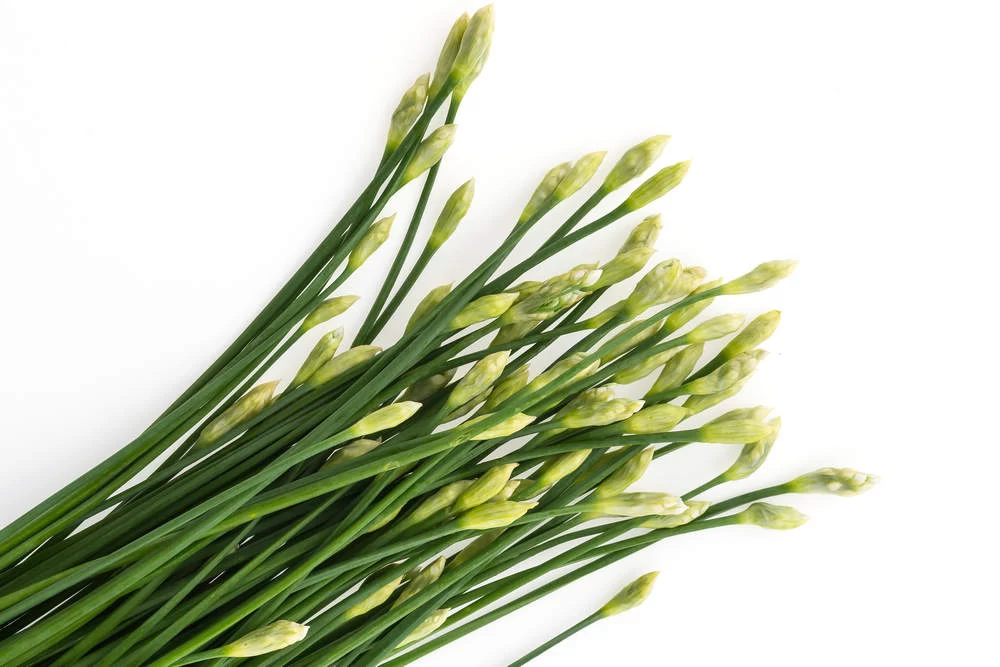
Ramsons (also known as bear’s garlic, wild garlic, or Allium ursinum) is a unique plant that combines the flavors of garlic and onion while having a much milder effect on the body. For people with type 2 diabetes, this spring delicacy can be a real find, as it is not only safe but may also help address key metabolic disorders.
🧅 What Is Ramsons and Why Is It Valuable?
Ramsons is a perennial herbaceous plant that appears in early spring, when other fresh vegetables and greens are still scarce. Young leaves, stems, and even bulbs are used for food. Its characteristic garlic-like aroma comes from essential oils and phytoncides contained in the plant.
Nutritional composition of ramsons (per 100 g of product):
| Indicator | Value |
|---|---|
| Calories | 35–37 kcal |
| Protein | 2.4–3 g |
| Fat | 0.1–0.2 g |
| Carbohydrates | 6.1–7 g |
| Dietary fiber | 7 g |
| Vitamin C | up to 100 mg (more than in lemons and oranges) |
🩺 Benefits of Ramsons for Type 2 Diabetes
For people with diabetes, ramsons is of particular interest because of its комплексное effect on the body.
1. Low Glycemic Index and Low Calorie Content
This is perhaps the main argument in favor of ramsons. Nutritionists confirm that ramsons has a low glycemic index, which makes it safe to include in the diet of people with diabetes and obesity. Its low calorie content (about 35 kcal) and small amount of carbohydrates make it an ideal food for those who are monitoring their weight.
2. Reduction of Blood Sugar and Cholesterol Levels
Studies suggest that regular consumption of ramsons can improve the lipid profile (reducing “bad” cholesterol levels) and, most importantly, increase insulin sensitivity. In some neighboring countries, dietary supplements based on ramsons are even available and are intended to help regulate blood sugar levels.
3. Blood Pressure Normalization and Vascular Protection
Cardiovascular complications are a common problem in diabetes. Ramsons contains large amounts of vitamin C and other active compounds that may:
Lower blood pressure
Increase the elasticity and strength of blood vessels
Help prevent the formation of atherosclerotic plaques
4. Gentle Detoxification of Blood and Lymph
Thanks to sulfur-containing compounds, ramsons activates detoxification enzymes in the liver, gently cleansing the blood and lymph. This contributes to overall health improvement and better well-being.
5. Improved Digestion and Metabolism
The bitter substances and essential oils found in ramsons stimulate the production of gastric juice and bile, which improves digestion and speeds up metabolism. This can be particularly beneficial for people with sluggish digestion and a tendency toward constipation.
⚠️ Contraindications: When Ramsons May Be Harmful
Despite its many benefits, ramsons is quite an active plant, and some people with diabetes—especially those with additional health conditions—should consume it with caution.
Ramsons is contraindicated or should be strictly limited in cases of:
Gastrointestinal diseases: gastritis, stomach or duodenal ulcers, pancreatitis, especially during flare-ups. Essential oils may strongly irritate inflamed mucous membranes.
High stomach acidity: ramsons stimulates gastric juice production, which may worsen the condition.
Kidney diseases: sulfur and essential compounds may aggravate certain kidney problems.
Pregnancy and breastfeeding: due to possible effects on uterine tone and the taste of breast milk.
Individual intolerance or allergies.
🥗 How to Consume Ramsons Properly
To get the maximum benefit without harming yourself, follow a few simple rules:
Moderation is key. Even healthy people should not eat ramsons in large quantities. Start with a small amount (a few leaves) and observe how your body reacts.
Best eaten fresh. Fresh, young ramsons contains the highest amount of vitamins and beneficial compounds.
Dish ideas:
Salads: add finely chopped ramsons to salads with fresh cucumbers, tomatoes, radishes, and herbs. Dress with vegetable oil or low-fat sour cream.
Spreads: mix chopped ramsons with cottage cheese or low-fat cheese to make a tasty spread for whole-grain bread sandwiches.
Soups: spring cabbage soup or green borscht with ramsons is both tasty and healthy.
Side dishes: add ramsons to stewed vegetables or omelets at the end of cooking.
Be careful with preserved products. Pickled ramsons is delicious, but marinades often contain sugar and vinegar. For people with diabetes, it is better to choose fresh, frozen, or fermented ramsons (without added sugar).
Key advice: before regularly including ramsons in your diet, consult your healthcare provider, especially if you have gastrointestinal or kidney conditions.
💎 Conclusion
Ramsons can be a valuable and beneficial food for people with type 2 diabetes. Thanks to its low glycemic index, rich vitamin composition, and potential ability to improve insulin sensitivity and lipid profiles, it can be an excellent addition to a diabetic-friendly diet. However, as with any food product, moderation and awareness of individual contraindications are essential.