

Spices for Type 2 Diabetes
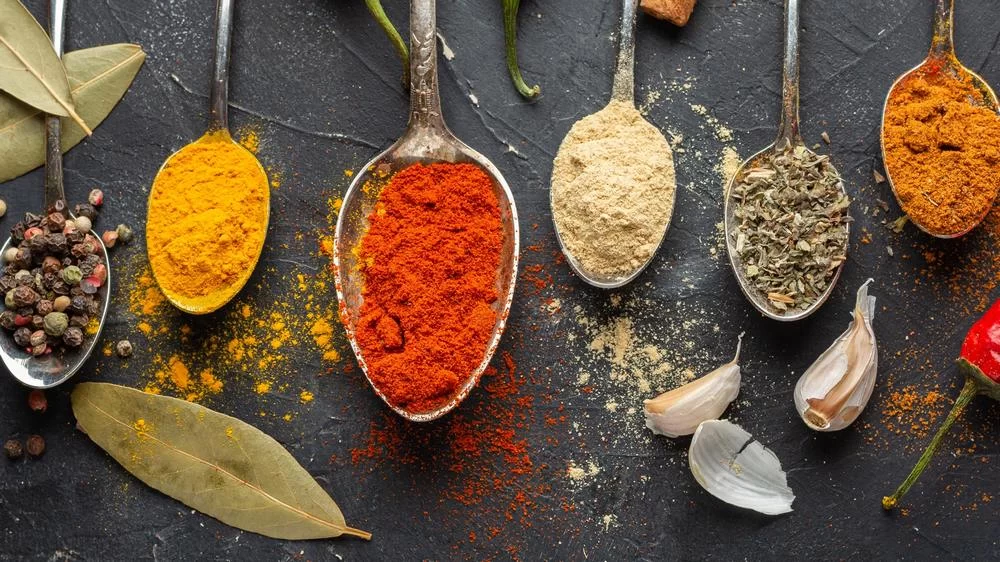
Spices for type 2 diabetes are not just a way to make food tastier — they can be real allies in controlling blood sugar and preventing complications. Modern research confirms that certain spices can influence glucose levels, insulin, and even glycated hemoglobin.
Let’s look at which spices actually work, and how to choose and use them properly.
🌟 Top 5 Most Beneficial Spices for Type 2 Diabetes
Scientific data from recent years has identified several leading spices that most effectively help control diabetes.
1. Ginger — the absolute champion
Ginger is the only spice proven to affect three key indicators at once: it lowers fasting glucose, glycated hemoglobin (HbA1c), and insulin levels. The gingerols it contains have powerful anti-inflammatory properties, which is important because inflammation is directly linked to insulin resistance. Ginger also slows the digestion of carbohydrates, preventing sharp spikes in blood sugar after meals.
2. Black cumin — record holder for lowering blood sugar
Meta-analyses show that black cumin (Nigella) produces one of the most significant reductions in fasting glucose — up to 27 mg/dL. Its active compound, thymoquinone, reduces insulin resistance, improves insulin secretion, and decreases oxidative stress.
3. Cinnamon — a natural insulin sensitizer
Cinnamon improves insulin sensitivity and helps cells absorb glucose more efficiently. It also adds sweetness to foods without sugar and supports heart health by lowering cholesterol and triglycerides, which is particularly important for people with diabetes. Studies confirm its ability to reduce fasting glucose and HbA1c levels.
4. Turmeric — a protector against inflammation
Curcumin, the active compound in turmeric, is a powerful antioxidant that reduces inflammation caused by high blood sugar and improves metabolic markers. Turmeric may help lower fasting glucose and protect pancreatic cells.
5. Saffron — an unexpected helper
This expensive spice has also demonstrated significant reductions in fasting glucose in clinical studies. In one study, 100 mg of saffron per day for 8 weeks significantly improved blood sugar markers in people with diabetes.
Other beneficial spices
Cloves — slow carbohydrate absorption by inhibiting enzymes responsible for carbohydrate breakdown.
Cardamom — has anti-inflammatory and antioxidant properties and can reduce triglyceride levels.
Garlic — protects the heart and blood vessels and helps lower cholesterol.
💡 Why Spices Work
Spices share several mechanisms that make them valuable for diabetes management.
| Mechanism | How It Helps |
|---|---|
| Improved insulin sensitivity | Cells respond better to insulin and remove glucose from the bloodstream more effectively |
| Slower carbohydrate absorption | Sugar enters the bloodstream more gradually, preventing spikes |
| Strong antioxidant effects | Neutralize free radicals and protect blood vessels and nerves |
| Anti-inflammatory action | Reduce chronic inflammation, a key factor in insulin resistance |
| Improved lipid profile | Lower “bad” cholesterol and triglycerides, protecting the heart |
Important: Spices work best alongside a proper diet and medical treatment — not as a replacement for glucose-lowering medications.
⚠️ How to Use Spices Safely and Effectively
To get the most benefit without harm, follow some simple guidelines.
Approximate daily amounts
Ginger: 600–3000 mg per day (about ½–1 tsp ground or 1 tsp freshly grated).
Cinnamon: up to 6 g per day.
Black cumin: typically 1–2 tsp seeds or about 1 tsp oil.
Turmeric: 500–1500 mg curcumin per day (often taken with black pepper for better absorption).
Saffron: about 100 mg per day.
🥘 Cooking Tips
Add cinnamon to yogurt, cottage cheese, fruit salads, and porridge.
Use ginger in tea, smoothies, soups, and Asian-style dishes.
Turmeric pairs well with black pepper (which greatly increases curcumin absorption) — add it to soups, stewed vegetables, and rice.
Cloves and cardamom work well in meat dishes, marinades, and sugar-free compotes.
Note: Cooking, especially slow simmering, can increase the antioxidant properties of spices, while frying may reduce them.
❗ Who Should Be Careful
People with gastrointestinal diseases (gastritis, ulcers, pancreatitis) — spicy ingredients such as ginger and pepper may irritate the digestive tract.
People with low blood pressure — ginger may lower blood pressure further.
Those taking medications — large amounts of ginger may enhance the effects of glucose-lowering drugs and blood thinners. Always consult your doctor.
People with heartburn — ginger may worsen symptoms.
People with kidney stones — turmeric should be used cautiously because it contains oxalates.
🧂 Main Tip: Replace Salt with Spices
Salt has no beneficial metabolic effects and can increase blood pressure. Using spices instead can make food both tastier and healthier.
📊 What Research Shows (Briefly)
A 2024 meta-analysis including 45 studies and more than 3,000 people with type 2 diabetes confirmed that cinnamon, turmeric, ginger, black cumin, and saffron significantly improve fasting glucose levels.
Black cumin and ginger showed the best results for lowering glycated hemoglobin (HbA1c).
Cinnamon and ginger significantly reduced insulin levels.
Researchers emphasize that spices are particularly effective when used as part of a Mediterranean diet rich in vegetables, fruits, whole grains, and healthy fats.
🌱 Conclusion
Spices for type 2 diabetes are a simple, affordable, and scientifically supported way to improve blood sugar control, protect the heart and blood vessels, and reduce inflammation. Adding ginger, cinnamon, turmeric, black cumin, and other spices to your daily meals can be beneficial — but moderation and awareness of contraindications are essential.
As always, any significant dietary changes should be discussed with your healthcare provider.