

Can You Eat Pearl Barley with Type 2 Diabetes?
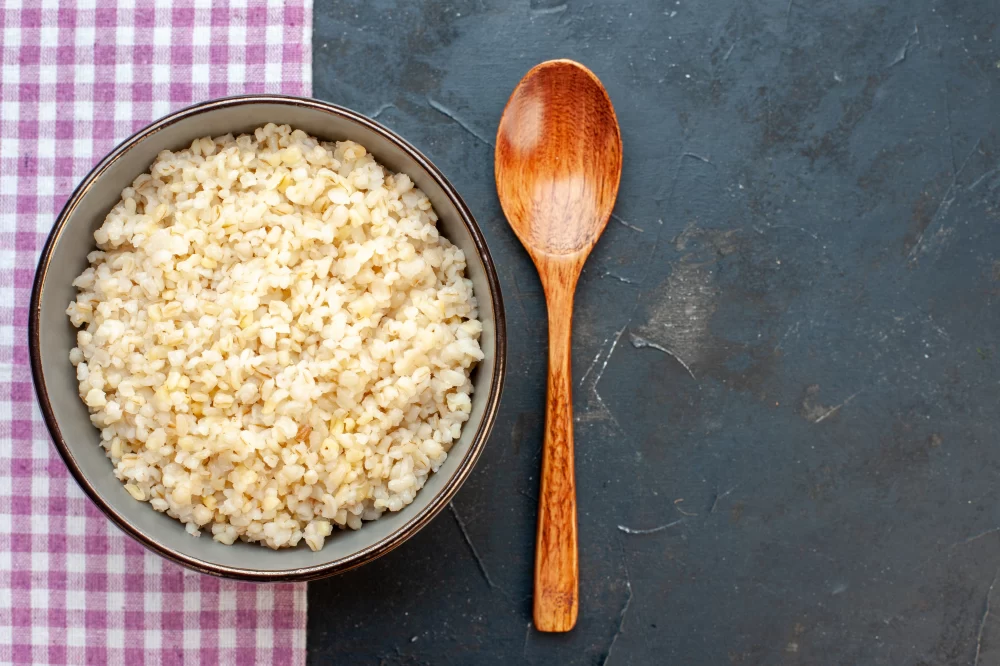
Pearl barley (polished barley grains) is often unfairly overlooked and considered a “simple” porridge. However, for a person with type 2 diabetes, pearl barley is a true treasure and one of the best side dishes imaginable.
Short answer: not only can you eat it—you absolutely should. Pearl barley holds an honored place among recommended foods thanks to its unique composition and very low impact on blood sugar levels.
Why Is Pearl Barley a “Star” of Diabetic Nutrition?
From the perspective of endocrinology and dietetics, pearl barley is one of the safest and healthiest carbohydrate sources. Here’s why:
1. Low Glycemic Index (GI)
This is its main advantage. Pearl barley cooked in water has a GI of only 20–30 units—one of the lowest among all grains. For comparison: buckwheat is around 50, oatmeal about 60, and rice 70 or higher. A low GI means that carbohydrates are absorbed very slowly, preventing sharp spikes in blood sugar.
2. Slow (Complex) Carbohydrates
Pearl barley is rich in complex carbs that break down gradually. This provides long-lasting satiety (up to 4–5 hours) and a steady release of energy without glucose “spikes” and “crashes.”
3. Special Fiber — Beta-Glucan
This soluble fiber not only supports digestive health. In the body, it forms a gel-like substance that slows the absorption of carbohydrates and cholesterol. As a result, pearl barley helps reduce “bad” cholesterol levels—crucial for people with diabetes who are prone to cardiovascular diseases.
4. Rich Nutrient Profile
Pearl barley contains a lot of phosphorus (important for bones), potassium (essential for the heart), magnesium, and selenium. Lysine, also present in the grain, supports tissue repair and has antiviral properties.
How to Cook and Eat Pearl Barley Properly
To get the maximum benefit without harm, follow these guidelines:
1. Proper Soaking (Very Important!)
Pearl barley is a tough grain and takes a long time to cook. Always soak it overnight (at least 6–8 hours) in cold water. This starts fermentation processes and partially breaks down phytic acid, which interferes with mineral absorption. Soaked barley also cooks faster and becomes more tender.
2. Cook Without Additives
Cook pearl barley in water.
If you are strictly monitoring calories, do not add oil during cooking. Instead, add a small piece of butter (or a spoon of vegetable oil) directly to the plate.
Use minimal salt.
3. What to Pair It With?
Pearl barley works best as a side dish. To make the meal balanced and further reduce glycemic load, combine it with:
Vegetables: stewed zucchini, eggplant, bell peppers, onions, tomatoes. Their fiber slows carbohydrate absorption even more.
Lean meat or fish: chicken breast, turkey, lean beef, fish.
Mushrooms: pearl barley with mushrooms and onions is a classic, filling, and safe dish.
4. Portion Size
Despite its benefits, pearl barley is still a carbohydrate product. A cooked portion (as a side dish) should not exceed 150–200 grams (about 4–5 heaping tablespoons). It is best consumed in the first half of the day.
Who Should Be Careful with Pearl Barley?
Despite its advantages, there are some limitations:
Digestive difficulty: It can be heavy for people with gastrointestinal conditions (low-acid gastritis, ulcers, or a tendency toward constipation and bloating during flare-ups). Its coarse fiber may irritate the stomach lining.
Celiac disease: Pearl barley contains gluten, so it is strictly противопоказано for people with gluten intolerance (celiac disease) or allergies.
Meal Ideas with Pearl Barley for Diabetics
To keep it interesting, pearl barley can be prepared in different ways:
Rassolnik (pickle soup): A classic soup made with secondary meat broth, pearl barley, and pickles (in moderation). For a healthier version, remove potatoes or use very little.
Perlotto: A barley-based version of risotto. Simmer the grain in broth with onions, then add mushrooms or chicken pieces and some fresh herbs at the end.
Slow cooker barley: Soaked barley with water (1:3 ratio) cooked in a slow cooker on “Stew” or “Porridge” mode for 2–3 hours. The result is very soft and flavorful.
Simple side dish: Boiled pearl barley dressed with a spoon of olive oil and sprinkled with fresh herbs.
Conclusion
Pearl barley is a top-tier grain for people with type 2 diabetes. Its low glycemic index, ability to keep you full for hours, and cholesterol-lowering effects make it an essential part of a healthy diet. Don’t be put off by its specific taste or long cooking time—when prepared properly (soaking, correct cooking, and pairing with vegetables), it can become the foundation for many delicious and nutritious dishes while helping keep blood sugar under control.