

Mashed Foods in Type 2 Diabetes: What You Can and Cannot Eat
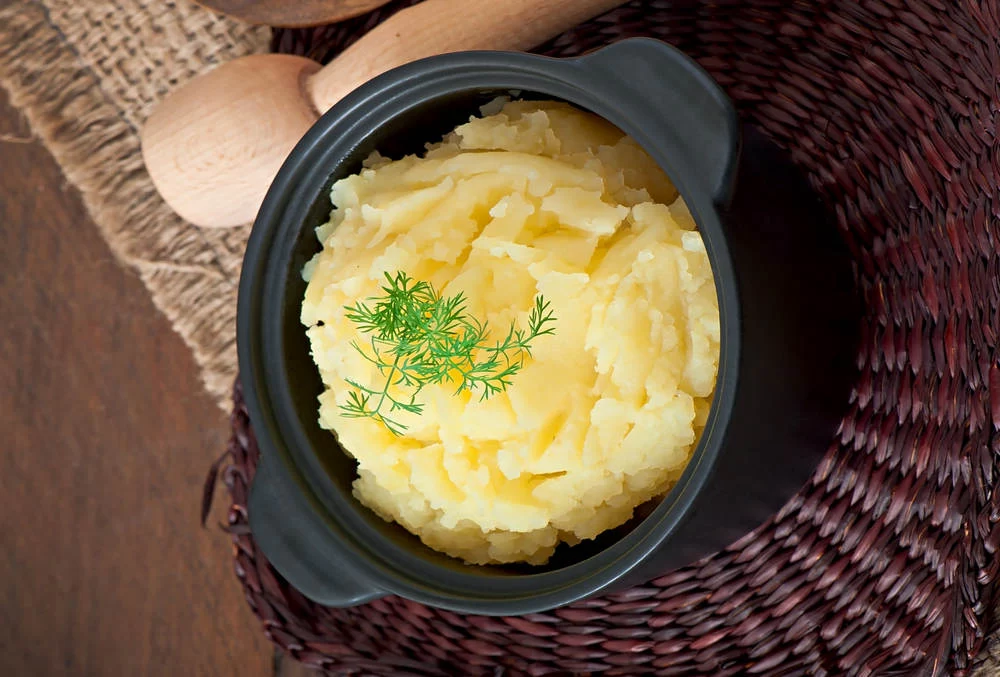
The question of mashed foods in the diet of a person with type 2 diabetes is one of the most common. On one hand, it’s a familiar and widely loved dish, especially during colder months. On the other hand, traditional mashed potatoes can cause a sharp spike in blood sugar. Let’s take a closer look at why this happens and what you can use as a substitute for this popular side dish.
Why Mashed Potatoes Are Not the Best Choice
The main issue with mashed potatoes lies not so much in the potato itself, but in the way it is prepared.
How Starch Becomes “Fast”
Raw potatoes contain starch—a complex carbohydrate that is normally digested relatively slowly. However, during cooking, the cell walls of the potato break down. When we mash boiled potatoes, the starch becomes максимально accessible to digestive enzymes. As a result, carbohydrates from mashed potatoes are absorbed in the small intestine almost as quickly as pure glucose.
Important Numbers to Know
Experts provide the following glycemic index (GI) values for different types of potatoes:
- Mashed potatoes — GI around 83–90 (high)
- Boiled potatoes — GI 80–85 (also high, but slightly lower)
- Fried potatoes — GI up to 97
For comparison: the GI of pure glucose is 100. This means mashed potatoes raise blood sugar nearly as quickly as sugar itself.
What Happens in the Body
After consuming mashed potatoes, blood glucose levels rise sharply. In type 2 diabetes, where insulin resistance already makes sugar absorption more difficult, this places an undesirable burden on the pancreas. Additionally, because carbohydrates are absorbed rapidly over a short period, hypoglycemia (a sharp drop in blood sugar) may occur 2–3 hours later.
If You Really Want Mashed Potatoes: Safety Rules
Completely eliminating potatoes from the diet in type 2 diabetes is not necessary. However, if you decide to indulge in traditional mashed potatoes, follow these guidelines:
- Control portions. Start with a small amount—about 100 g (roughly 2 tablespoons). This contains approximately 17–20 g of carbohydrates.
- Cool the mash. If you prepare mashed potatoes in advance and let them cool, part of the starch turns into so-called resistant starch. It is digested more slowly, resulting in a less sharp sugar spike.
- Combine with protein and fiber. Never eat mashed potatoes on their own. Add lean meat, fish, poultry, and/or a vegetable salad. Protein and fiber slow carbohydrate absorption.
- Monitor your body’s response. Use a glucometer or a continuous glucose monitoring system to understand how your body reacts to this dish.
Better Alternatives: Healthy Mashed Options Without Sugar Spikes
Good news: there are several excellent substitutes for mashed potatoes that are very similar in taste and texture but much safer for people with diabetes.
1. Cauliflower Mash — The Clear Leader
This is the most popular and well-tested option. In appearance and consistency, cauliflower mash closely resembles mashed potatoes, while offering a delicate, creamy taste.
Why it’s a good choice:
- Low in carbohydrates
- Rich in fiber, which slows absorption
- Contains potassium, B vitamins, vitamin C, and niacin
Simple recipe:
- Break 500 g of cauliflower into florets
- Steam or boil until soft (steaming preserves flavor better)
- Transfer to a blender, add 40 g of 11% fat cream, salt, and pepper to taste
- Blend until smooth
For a richer flavor, you can add butter and herbs (such as basil).
2. Jerusalem Artichoke Mash (Sunchoke)
Jerusalem artichoke is often called “Chinese potato.” It is a root vegetable similar in shape to potatoes but with a fundamentally different composition.
Benefits:
- Contains inulin (up to 25% of dry matter), a natural polysaccharide acting as a prebiotic
- Contains no starch
- Rich in potassium, calcium, magnesium, iron, and B vitamins
- Glycemic index — around 50 (medium)
How to prepare:
You can boil the tubers (about 12 minutes), bake them (30–45 minutes), or steam them (around 50 minutes). After cooking, mash them with a bit of cream or plant-based milk.
Important: During boiling or stewing, some inulin converts into fructose, so it’s preferable to eat Jerusalem artichoke raw (in salads) or baked. Also, do not exceed the daily intake—2–3 tubers.
3. Legume-Based Mash
Legumes are another excellent option for a filling and healthy mash. They contain slowly digestible carbohydrates and a high amount of plant protein.
Options:
- Chickpeas
- Lentils (especially red or green)
- Beans (preferably red)
- Peas
Key feature: Legumes have a low rate of carbohydrate absorption, making them safe for people with diabetes. They can be used for puréed soups or as standalone side dishes.
What to Remember About Other Ingredients
Even healthy mash made from approved ingredients can become harmful if you add unsuitable components:
| Ingredient | Recommendation |
|---|---|
| Cream, butter | Allowed in moderation; choose 11–20% fat |
| Milk | Regular or plant-based (soy, almond) |
| Salt | Limit, especially if prone to hypertension |
| Sugar, honey, syrups | Strictly avoid |
Conclusion
Mashed potatoes in type 2 diabetes are not recommended due to their high glycemic index and ability to cause sharp spikes in blood sugar. However, this doesn’t mean you have to give up mashed dishes altogether.
Cauliflower, Jerusalem artichoke, and legume-based mashes are полноценные, tasty, and most importantly, safe alternatives. They allow you to maintain the familiar texture of the dish while enjoying a varied menu without compromising your health.
Remember: even when using healthy substitutes, moderation is key. Combine mash with protein-rich foods and monitor your glucose levels. With the right approach, mashed dishes can remain part of your diet without causing dangerous complications.