

Pastila in Type 2 Diabetes: Benefits, Risks, and How to Choose Wisely
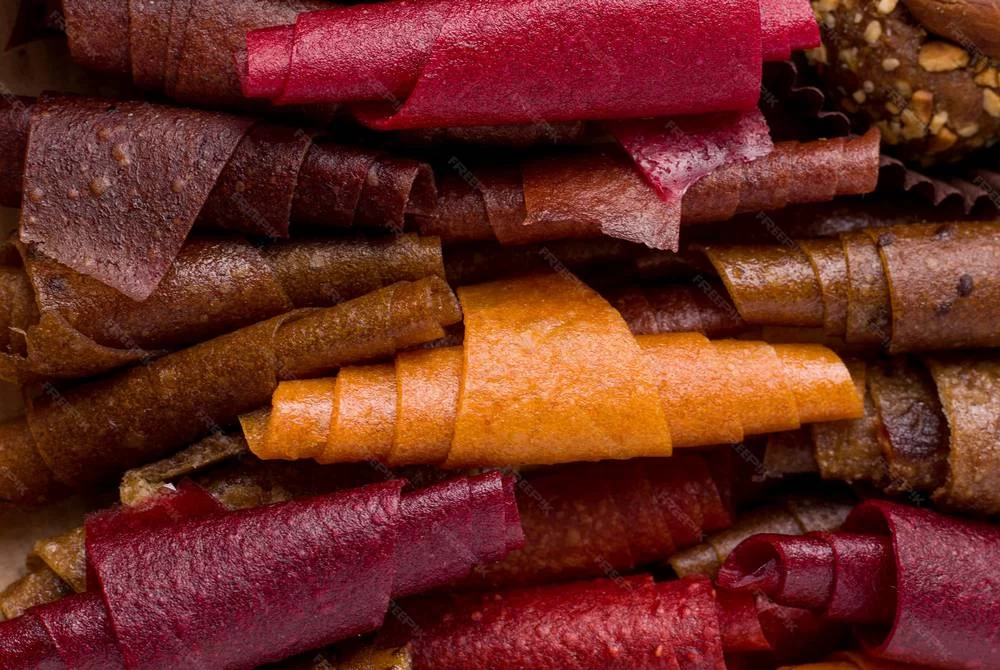
Pastila is a traditional Russian confection that many consider a “healthier” alternative to cakes and candies. Indeed, it is based on fruit purée, rich in fiber and pectin. However, for people with type 2 diabetes, the question of consuming this dessert is far from straightforward. Let’s explore when pastila may be included in the diet and when it’s better to avoid it.
Why Regular Store-Bought Pastila Is Not Recommended
The main issue with pastila, like most sweets, is its high sugar content. Endocrinologist Zukhra Pavlova warns that pastila contains large amounts of not only refined sugar but also fructose, which can actually stimulate appetite.
Concerning Numbers
Nutritional value of classic apple pastila (per 100 g):
- Calories — 320–326 kcal
- Carbohydrates — 78–80 g
- Glycemic index (GI) — around 65
For comparison, the GI of pure glucose is 100, and values above 70 are considered high. Therefore, traditional pastila falls into the medium-to-high glycemic index category.
Why Pastila Can Be Harmful in Diabetes
- Sharp blood sugar spikes
The high content of fast carbohydrates can lead to hyperglycemia. - Risk of overeating
Fructose can interfere with leptin receptors, the hormone responsible for satiety. As a result, a person may not notice eating an entire roll of pastila. - Questionable additives
Industrial pastila often contains flavorings, colorings, preservatives (such as sulfur dioxide), molasses, and glucose syrup—cheap sugar substitutes. - High calorie density
Due to dehydration during production (water is removed from apples, leaving sugars and fiber), it’s easy to consume excess calories without realizing it.
Are There Exceptions? When Pastila Is Allowed
Despite these concerns, pastila does not have to be completely excluded from a type 2 diabetes diet. However, several strict rules must be followed.
Rule #1: Choose Sugar-Free Pastila
You can find special diabetic pastila in stores and pharmacies where sugar is replaced with approved sweeteners:
- Stevia (steviol glycosides) — natural sweetener with zero glycemic index
- Isomalt — a carbohydrate-based sugar substitute that is absorbed slowly
- Sorbitol or xylitol — also commonly used in diabetic products
Examples:
- “Smart Sweets” Di&Di vanilla pastila in chocolate glaze with stevia and isomalt
- “Naturino” sugar-free pastila with vitamin C or herbal extracts
Important: Even these products contain carbohydrates (e.g., Di&Di contains about 56 g per 100 g, but less than 5 g as sucrose equivalents). Intake must still be controlled.
Rule #2: Homemade Pastila Is the Best Option
The safest and most optimal choice is to make pastila at home. This way, you control the ingredients and can completely eliminate added sugar.
Sugar-Free Pastila Recipe
Ingredients:
- Sweet apples (Gala, Golden, Honey varieties) — 2 kg
- Water — 100 ml
- Cinnamon (optional) — 1 tsp
Instructions:
- Wash the apples, remove cores, and slice. Do not peel—the skin contains pectin.
- Place in a thick-bottomed pot, add water, and simmer covered for 20–30 minutes until soft.
- Blend into a smooth purée.
- Spread the purée on a parchment-lined baking tray in a 5–7 mm layer.
- Dry in the oven at 60–70°C with the door slightly open (you can use a wooden spoon) for 6–10 hours. Alternatively, use a dehydrator (55–60°C for 8–12 hours).
- It’s ready when it no longer sticks to your fingers and easily peels off the paper.
This version contains no added sugar, preserves the benefits of apples, and is safer for people with diabetes.
Rule #3: Strict Portion Control
Even the healthiest pastila has limits:
- Recommended amount for people with diabetes — up to 20 g per day
- Best consumed in the first half of the day
- Combine with protein (e.g., cottage cheese or yogurt) to slow carbohydrate absorption
Rule #4: Monitor Your Body’s Response
Use a glucometer to track how your body reacts. Individual responses vary, and only measurements can determine whether pastila is suitable for you.
What Else You Should Know
Effects on Teeth and Stomach
Even natural pastila contains fruit acids. In concentrated form, they can damage tooth enamel. People with high stomach acidity, gastritis, or ulcers should consume it cautiously.
Difference from Marshmallow and Marmalade
These sweets are often confused, but they differ:
- Pastila — made from fruit purée with added egg white; may include flour; gelling agents are optional
- Marshmallow (zephyr) — contains more egg white, whipped into an airy texture; always includes agar-agar or pectin
- Marmalade — made using pectin or agar-agar; pastila does not always require gelling agents
For people with diabetes, the rule is the same for all: only specialized diabetic versions or homemade sugar-free options.
Conclusion
Pastila in type 2 diabetes is a controversial product. Regular store-bought versions with sugar, flavorings, and colorings should be strictly avoided. They can cause rapid glucose spikes, provide “empty” calories, and promote overeating.
However, this doesn’t mean you must give up your favorite treat entirely. Modern options allow people with diabetes to enjoy pastila safely:
- Specialized diabetic pastila made with stevia, isomalt, or other approved sweeteners
- Homemade pastila from sweet apples without added sugar
In both cases, moderation (no more than 20 g per day) and glucose monitoring are essential. With the right approach, pastila can remain an occasional, controlled treat without causing dangerous complications.