

Cashews and Type 2 Diabetes: Benefits, Risks, and Recommended Intake
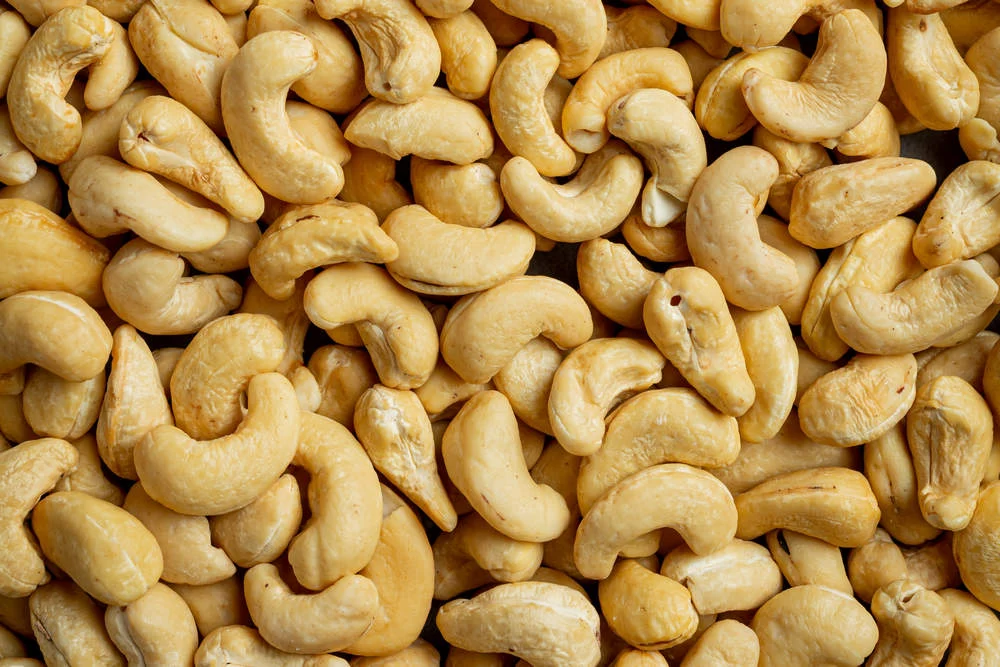
Cashews are among the most beloved—and controversial—nuts. They are often considered “too fatty” or “too high in calories” for people with diabetes. However, modern research shows that, when consumed properly, cashews are not only safe but can also help manage type 2 diabetes.
Why are cashews beneficial for diabetes?
Cashews have a unique composition that works in several important ways for people with diabetes:
1. Low Glycemic Index (GI)
The GI of cashews is 25–30, which is very low. For comparison: white bread has a GI of 85, potatoes 80, and buckwheat 55. This means cashews have minimal impact on blood sugar levels. Their carbohydrates (about 22 g per 100 g) are “slow-digesting,” breaking down gradually and avoiding sharp insulin spikes.
2. Healthy fats
About 80% of the fats in cashews are unsaturated fatty acids:
- Oleic acid (like in olive oil) improves insulin sensitivity.
- Linoleic acid (omega-6) reduces inflammation, which is always present in type 2 diabetes.
Cashews contain no trans fats or harmful cholesterol. On the contrary, they help lower “bad” LDL cholesterol and increase “good” HDL cholesterol.
3. Magnesium — a key mineral
100 g of cashews contain about 290 mg of magnesium (around 70% of the daily requirement). Magnesium deficiency occurs in nearly 90% of people with type 2 diabetes and is directly linked to:
- Reduced insulin sensitivity
- High blood pressure
- Increased risk of cardiovascular complications
Regular consumption of cashews helps replenish this deficiency.
4. Fiber
Cashews contain about 3 g of dietary fiber per 100 g. Fiber:
- Slows glucose absorption in the intestines
- Promotes satiety (important for weight control)
- Improves digestion (gastrointestinal issues like gastroparesis and constipation are common in diabetes)
5. Antioxidants
Cashews contain polyphenols, carotenoids, and vitamin E. These help combat oxidative stress—a condition in which high blood sugar damages blood vessels, nerves, and the retina.
What do studies say?
A 2018 clinical study (Pennsylvania State University) found that patients with type 2 diabetes who consumed 30 g of cashews daily for 12 weeks experienced:
- Reduced systolic blood pressure (by an average of 3–5 mmHg)
- Improved lipid profile (lower LDL and triglycerides)
- No negative effect on blood glucose or HbA1c levels
Another study (2019) confirmed that including cashews in the diet does not worsen glycemic control but improves cardiovascular risk factors—critical for people with diabetes, as heart attacks and strokes are the leading causes of death in type 2 diabetes.
Concerns: what about calories and fat?
Yes, cashews are calorie-dense: about 550–600 kcal per 100 g. Excessive consumption can lead to weight gain, and obesity worsens insulin resistance.
However, an important nuance: studies show that moderate nut consumption (30–50 g per day) does NOT lead to weight gain. Why? Nuts:
- Provide long-lasting satiety, reducing total daily calorie intake
- Are not fully absorbed (some fats remain trapped in cell walls)
- Stimulate thermogenesis (calories burned during digestion)
Rules for consuming cashews with type 2 diabetes
To gain benefits without harm, follow these simple rules:
1. Strict portion control
Optimal portion: 20–30 g per day (about 10–15 nuts). No more. This provides about 120–180 kcal and 4–6 g of carbohydrates.
2. No salt, sugar, or coatings
Only raw or dry-roasted (without oil) cashews. Oil-roasted, salted, caramelized, honey-coated, or chocolate-covered nuts are strictly off-limits—they spike blood sugar, blood pressure, and cholesterol.
3. Not as a quick snack
Best consumed as part of main meals:
- In morning oatmeal or cottage cheese
- In leafy vegetable salads
- In unsweetened yogurt
This helps slow carbohydrate absorption from other foods.
4. Count carbohydrates
If you track bread units (BU): 30 g of cashews contain about 0.3–0.4 BU. Usually, this does not require insulin adjustment (if on insulin therapy), but consult your doctor.
5. Be cautious with gout and kidney stones
Cashews contain purines (may trigger gout) and oxalates (may contribute to kidney stones). If you have these conditions, consult your physician.
What should you absolutely avoid?
- Eating cashews in large quantities (100–200 g at once) — leads to weight gain and fatty liver
- Buying salted roasted cashews — salt raises blood pressure and causes fluid retention, especially dangerous in diabetic nephropathy
- Combining with simple carbs (pastries + cashews, candy + cashews) — nuts do not “cancel out” sugar
- Giving to small children or elderly people with swallowing difficulties — choking risk
Cashews vs other nuts: which is better?
| Nut | GI | Magnesium | Omega-3 | Benefit for diabetes |
|---|---|---|---|---|
| Cashews | 25 | +++ | + | Best for heart and blood pressure |
| Walnuts | 15 | ++ | +++ | Protect nerves |
| Almonds | 20 | +++ | + | Reduce post-meal glucose |
| Hazelnuts | 20 | ++ | + | Good for blood vessels |
| Peanuts | 15 | ++ | + | Affordable but prone to mold |
Ideal strategy: rotate different nuts or mix them (cashews + almonds + walnuts), about 10 g each.
Recipes with cashews for people with diabetes
Morning smoothie
- 30 g cashews (soaked overnight)
- 200 ml unsweetened almond milk
- A handful of spinach
- 1/2 green apple (or 1/2 pear)
- A pinch of cinnamon
Blend until smooth. About 15 g carbs, 5 g fiber.
Chicken and cashew salad
- 100 g boiled chicken breast
- Lettuce leaves, cucumber, tomato, bell pepper
- 20 g raw cashews (crushed)
- Dressing: lemon juice + olive oil + mustard (no sugar)
A filling meal without blood sugar spikes.
Final verdict: can you eat cashews or not?
Yes—you can and should. Cashews are not forbidden for type 2 diabetes; they are a beneficial food that improves insulin sensitivity, protects the heart and blood vessels, reduces inflammation, and provides lasting satiety.
Golden rules:
- No more than 30 g per day
- Only raw or dry, without salt or sugar
- Combine with vegetables, whole grains, and protein
- Account for calories in your overall diet
Follow these rules, and cashews will become your ally in managing diabetes. Ignore them, and they can quickly become a source of excess weight and poor glucose control.
Final tip: buy cashews from reliable sources (they mold easily if stored improperly). Store them in an airtight container in a cool, dark place. And consult your endocrinologist—they can adjust your intake based on your weight, blood sugar levels, and other health conditions.