

Mineral Water for Type 2 Diabetes: Life-Giving Moisture or a Hidden Threat?
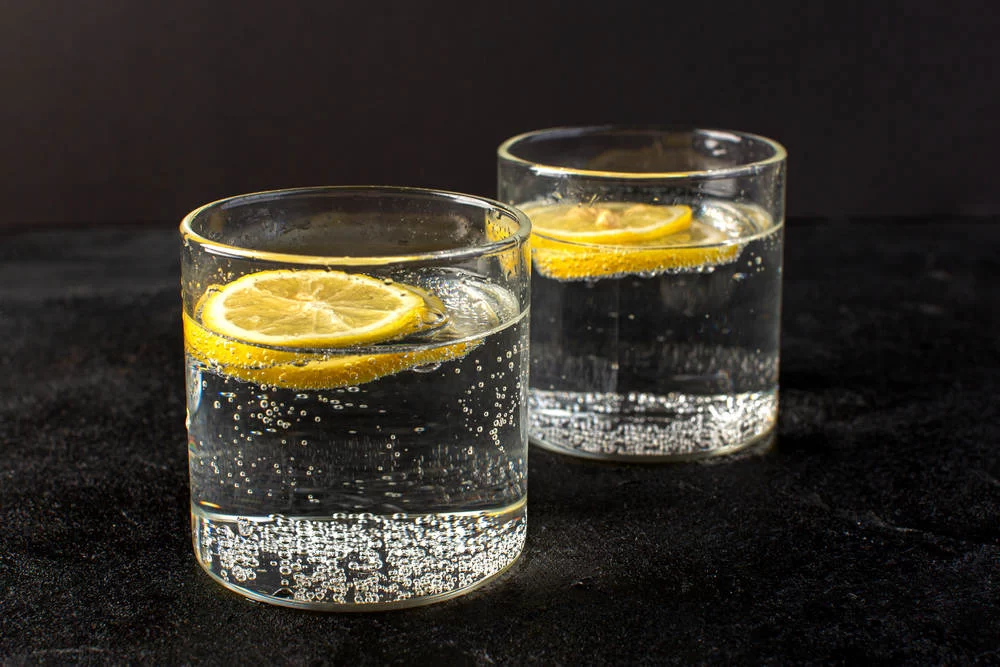
When it comes to managing type 2 diabetes, people usually think of diet, pills, and insulin. But few consider how important plain water with minerals can be. However, when chosen correctly, mineral water can become a genuine ally in controlling glycemia and protecting against complications. Yet, like any medicine, if taken uncontrollably, it can cause harm.
Why does a person with diabetes need mineral water?
In type 2 diabetes, the body suffers from two opposing processes:
Chronic dehydration (cellular dehydration).High blood sugar acts as a diuretic: glucose pulls water with it, causing frequent urination. The patient drinks, but without insulin, cells don't receive the moisture.
Electrolyte loss.Vital ions are flushed out with the water: magnesium, potassium, chlorine, sodium, calcium.
Mineral water solves both problems — it quenches thirst and replenishes mineral deficiencies, which directly affects insulin sensitivity.
Which micronutrients are critical in diabetes?
Scientists have proven a direct link between blood mineral levels and the progression of type 2 diabetes.
| Micronutrient | How it helps in diabetes |
|---|---|
| Magnesium (Mg) | Increases receptor sensitivity to insulin. Magnesium deficiency is one cause of insulin resistance. |
| Potassium (K) | Protects the heart and blood vessels (diabetics more often die from heart attacks). Participates in glycogen synthesis. |
| Calcium (Ca) | Improves pancreatic function (beta cells that produce insulin). |
| Selenium (Se) | An antioxidant that reduces oxidative stress, which triggers diabetes. |
| Chlorine (Cl) | Needed for gastric juice production — acidity is often reduced in diabetes. |
How to choose the «right» mineral water?
Here lies the main danger. All mineral waters fall into three groups, and only one is suitable for a person with diabetes.
Table water (mineralization up to 1 g/L)
Examples:Borjomi Light, Aqua Minerale, local spring water.
✅ Can be drunk without limits. It only quenches thirst and doesn't affect electrolytes.
❌ Zero therapeutic effect.
Medicinal-table water (1-10 g/L)
Examples:Essentuki No. 4, Narzan, Jermuk.
✅ Ideal choice. Contains necessary micronutrients in therapeutic doses.
❌ Requires caution. No more than 500-800 ml per day in courses.
Medicinal water (more than 10 g/L)
Examples:Essentuki No. 17, Donat Mg (highly mineralized).
⚠️ Only as prescribed by a doctor! High salt concentration can overload the kidneys (diabetic nephropathy) and cause blood pressure spikes.
The Golden Rule:For type 2 diabetes, bicarbonate, magnesium, and sulfate waters of medium mineralization work best. Sodium-rich waters (with high NaCl content) should be limited — they retain fluid and raise blood pressure.
Specific brands and their effects
Essentuki No. 4 (Russia)— The gold standard. Contains bicarbonates, magnesium, potassium. Reduces stomach acidity, improves bile flow (the gallbladder often suffers in diabetes), gently lowers blood sugar.
Donat Mg (Slovenia)— A magnesium bomb. Helps with severe insulin resistance, but only on a doctor's recommendation and in 14-day courses (due to high mineralization).
Narzan (Russia)— Sulfate-bicarbonate. Improves blood microcirculation (saves feet from diabetic foot), but may irritate the stomach.
Borjomi (Georgia)— Sodium bicarbonate. Quenches thirst well, but if you have hypertension (a companion of type 2 diabetes) and edema, drink with caution.
How to drink mineral water with diabetes (Instructions)
To gain benefit, not harm:
Let the gas out.Carbon dioxide irritates the stomach and can cause heartburn, which is already a frequent problem in diabetes. Open the bottle 30–40 minutes beforehand or gently heat it (gas will escape faster).
Temperature.Best is warm (40-50°C) or room temperature. Cold water causes bile duct spasms.
Drinking schedule:150-200 ml 30 minutes before meals (stimulates digestion and slows carbohydrate absorption). Or 1.5 hours after a meal — to relieve acidosis (blood acidification caused by high blood sugar).
Duration.Course — 3-4 weeks, then at least a month's break. Constant intake of medicinal mineral water disrupts the salt balance.
Who should absolutely avoid it?
Mineral water is contraindicated in cases of:
Diabetic nephropathy (proteinuria stage and CKD stages 3-5).The kidneys won't excrete excess salts — edema and rising creatinine will occur.
Grade 2-3 arterial hypertension.Sodium-rich waters will raise pressure even more. Only choose waters low in sodium.
Edema of any origin (including heart failure).
Gallstone disease.Sulfate waters can provoke stone movement and an attack.
A common myth
«Mineral water lowers blood sugar just like pills.»
False.Mineral water does not contain substances that directly remove glucose from the blood. It works indirectly: improves metabolism, reduces insulin resistance through magnesium, and protects blood vessels. Without diet and medication, mineral water alone is useless.
To drink or not to drink?
Drink, but wisely. For most people with type 2 diabetes and preserved kidney function, course therapy with medicinal-table bicarbonate magnesium water (e.g., Essentuki No. 4) is a safe and effective way to reduce sugar cravings, eliminate dry mouth, and slightly (by 5-7%) improve fasting glucose levels.
However, do not replace plain clean water with mineral water. The foundation of your hydration routine in diabetes is still, filtered water (1.5-2 liters per day). Let mineral water be a therapeutic supplement that you prescribe for yourself together with your endocrinologist and nephrologist.
Remember: if the label says «medicinal» — it's a medicine. Medicines are prescribed in courses and specific dosages.