

Chicken Liver for Type 2 Diabetes: Benefits, Risks, and Guidelines for Consumption
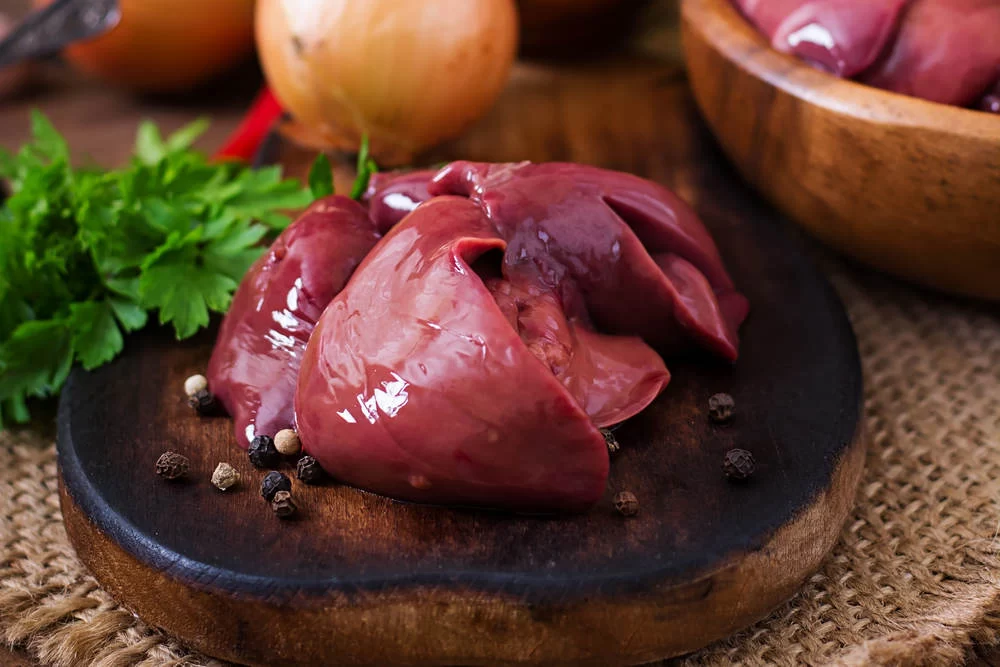
Type 2 diabetes is a condition that requires constant dietary management. Doctors and nutritionists often debate the role of organ meats (offal) in a diabetic's diet. Chicken liver holds a special place on this list: with the right approach, it can be a valuable source of nutrients, but uncontrolled consumption can cause harm.
Chemical Composition and Glycemic Index
Let's start with the basics: the glycemic index (GI) of chicken liver is 0. This means the food virtually does not cause blood sugar spikes. It contains only 0.6 g of carbohydrates per 100 g, making it safe in terms of glycemic load.
Its caloric value is about 135–140 kcal per 100 g, which is slightly higher than chicken breast but significantly lower than pork or beef.
Key components per 100 g of the product:
- Proteins — 20–22 g (high content of complete animal protein)
- Fats — 5–7 g (mainly healthy polyunsaturated fatty acids)
- Vitamin A — over 300% of the daily value (crucial for vision, which is often affected by diabetes)
- B vitamins (B2, B6, B9, B12) — improve nerve conduction (prevention of diabetic neuropathy)
- Iron — prevention of anemia, which is common in diabetics with kidney complications
- Chromium — increases cell sensitivity to insulin
What are the benefits of chicken liver for Type 2 diabetes?
- Blood sugar stabilization. Due to its high protein content and lack of sugars, liver provides a slow and long-lasting feeling of fullness without insulin spikes.
- Nerve protection. Diabetic neuropathy is a common complication. B vitamins (especially B12) help restore the myelin sheath of nerves.
- Vision protection. Retinopathy is another threat. Vitamin A in an easily digestible form strengthens the retina.
- Fighting anemia. In Type 2 diabetes, kidney function often suffers, reducing erythropoietin production. Heme iron from liver is absorbed more efficiently than iron from plant foods.
- Weight control. As a high-protein, low-calorie food, it helps maintain satiety longer—this is crucial for patients with obesity.
Potential Harm and Contraindications
Despite its clear benefits, chicken liver is a biologically highly active food. Be cautious in the following cases:
- High cholesterol. 100 g of liver contains 350–400 mg of cholesterol (the old dietary guidelines recommended a limit of 300 mg per day). Modern diabetology is less strict about dietary cholesterol, but if you already have hyperlipidemia (a common companion of Type 2 diabetes), portion sizes should be reduced.
- Excess Vitamin A. Daily consumption of large portions can lead to the accumulation of retinol, which is harmful to the liver and bones.
- Gout and high uric acid. Liver contains purines, which break down into uric acid. The product should be limited in cases of diabetic nephropathy and gout.
- Poor quality source. The liver acts as a filter in a bird's body. Buy the product only from trusted producers (free from hormones and antibiotics).
How to Properly Cook and Eat It?
Optimal intake: 100–150 g no more than twice a week. Preferably in the first half of the day.
Cooking methods (from best to worst):
- ✅ Stewing with onions and a small amount of water or low-fat sour cream (10%).
- ✅ Boiling in salted water.
- ✅ Baking in foil.
- ❌ Frying in oil (carcinogens are formed, and the calorie count increases sharply).
- ❌ Fried liver patties (flour + oil = blood sugar spike).
Good combinations: with stewed cabbage, buckwheat, green vegetables (green beans, broccoli), and mushrooms.
Poor combinations: with potatoes, pasta, white rice, and sweet sauces.
Recipe Example: Stewed Liver with Vegetables
- Ingredients: chicken liver (300 g), 1 onion, 1 carrot, 1 bell pepper, 2 tbsp sugar-free tomato paste, fresh herbs.
- Preparation: Rinse the liver and cut it into large pieces. Sauté the onion and carrot in a drop of oil for 2 minutes, then add the bell pepper. Add the liver, cover, and stew for 7–10 minutes. Add the tomato paste and herbs, then stew for another 2 minutes. Avoid adding too much salt—salt retains water (which is risky for people with hypertension).
Conclusion
Chicken liver in Type 2 diabetes is not a forbidden food, but rather a therapeutic organ meat that requires moderation. It helps fight anemia and neuropathy and stabilizes blood sugar, but it can be harmful in cases of gout or high cholesterol. The golden rule is: small portions, gentle cooking methods, and avoiding high-carbohydrate side dishes.
Always consult your endocrinologist—especially if you have been diagnosed with diabetic complications or kidney disease.