

Pea Porridge in Type 2 Diabetes: Benefits, Glycemic Index, and Cooking Rules
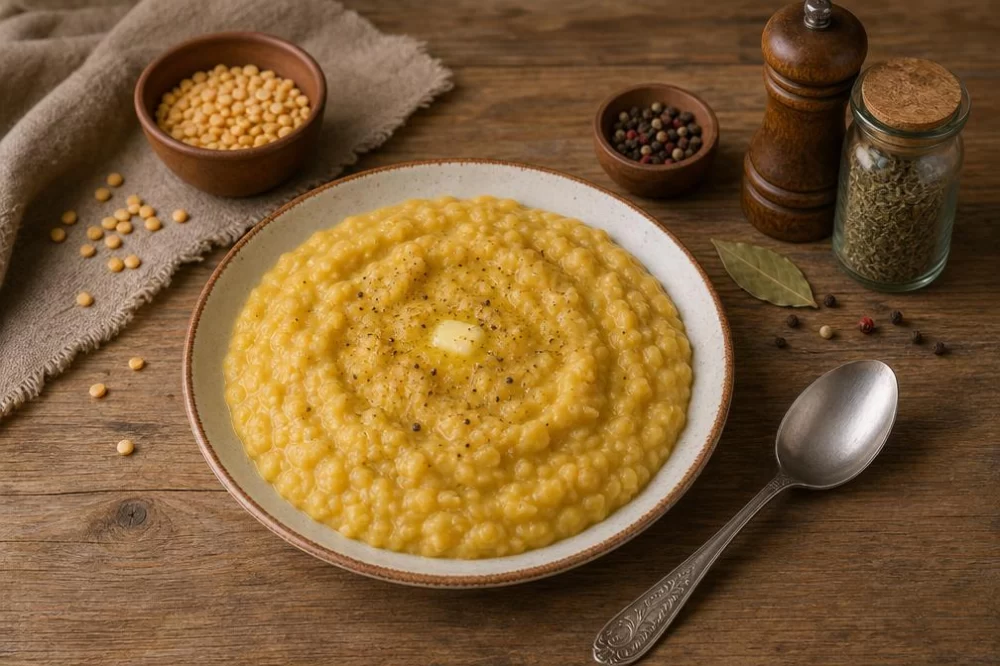
When planning a diet for someone with type 2 diabetes, one of the main questions is which carbohydrates can be consumed safely. Many people mistakenly eliminate all grains and porridges from their menu; however, pea porridge (split pea mash) is a true superfood for diabetics.
Peas belong to the legume family and have a unique nutritional profile that helps not only control blood sugar levels but also improve overall well-being.
Why is Pea Porridge Beneficial for Type 2 Diabetes?
1. Low Glycemic Index (GI)
The glycemic index of dry split peas is only 25–30, and for cooked porridge made with water, it is about 40–45 (depending on how well-cooked it is). This is a low indicator. Carbohydrates from peas are absorbed extremely slowly, which prevents sharp spikes in blood glucose after meals.
2. High in Plant Protein
Peas are one of the best sources of plant protein. Protein slows down digestion, which contributes to a gradual release of sugar into the blood and provides a long-lasting feeling of fullness. This is especially important for people with type 2 diabetes who often struggle with weight management.
3. Rich in Fiber
Dietary fiber in peas acts as a natural «brake» for carbohydrate absorption in the intestines. In addition, fiber:
- Improves gastrointestinal tract function.
- Helps lower «bad» cholesterol levels in the blood (reducing the risk of cardiovascular complications).
- Feeds beneficial gut bacteria.
4. Vitamin and Mineral Complex
Peas are rich in nutrients that are critically important for diabetes management:
- Magnesium— improves insulin sensitivity.
- Potassium— supports heart health and regulates blood pressure.
- B vitamins— protect the nervous system from damage (preventing diabetic neuropathy).
- Zinc— plays a vital role in insulin synthesis and storage.
How to Properly Cook and Eat Pea Porridge for Diabetes
To get the maximum benefit from pea porridge, it is important to follow a few rules of preparation and consumption:
- Mandatory soaking.Before cooking, soak the peas in cold water for 5–8 hours (or overnight). This not only speeds up cooking but also breaks down phytic acid (which hinders mineral absorption) and reduces the oligosaccharides that cause bloating.
- Cook with water.Do not use meat broths or milk. Porridge cooked with water is the healthiest and safest option.
- Avoid fatty add-ins.Traditional pea porridge with cracklings, smoked meats, or butter is not recommended for diabetes. Instead, add a spoonful of unrefined vegetable oil (olive or flaxseed oil) and some sautéed onions and carrots to the finished dish.
- Control portion sizes.The optimal single serving of cooked porridge is 150–200 grams (about 4–5 tablespoons).
- Timing.It is best to eat pea porridge for breakfast or lunch, as this is when the body actively burns energy.
Possible Contraindications and Side Effects
Despite all its benefits, pea porridge is not suitable for everyone. Its consumption should be limited or avoided in cases of:
- Gout and kidney stones.Legumes contain purines, which can increase uric acid levels in the body.
- Acute gastrointestinal diseases.During flare-ups of cholecystitis, pancreatitis, gastritis, or ulcers, the coarse fiber of peas can irritate the mucous membranes.
- Tendency to flatulence (bloating).If peas cause severe gas, try adding spices during cooking that reduce gas formation (such as dill, fennel, cumin, or ginger).
Summary
Pea porridge is an affordable, filling, and exceptionally healthy food for type 2 diabetes. It helps stabilize blood sugar, reduces appetite, and supports cardiovascular health. The key is to cook it properly, practice moderation, and monitor your body's individual response.