

Can You Eat Pea Soup with Type 2 Diabetes?
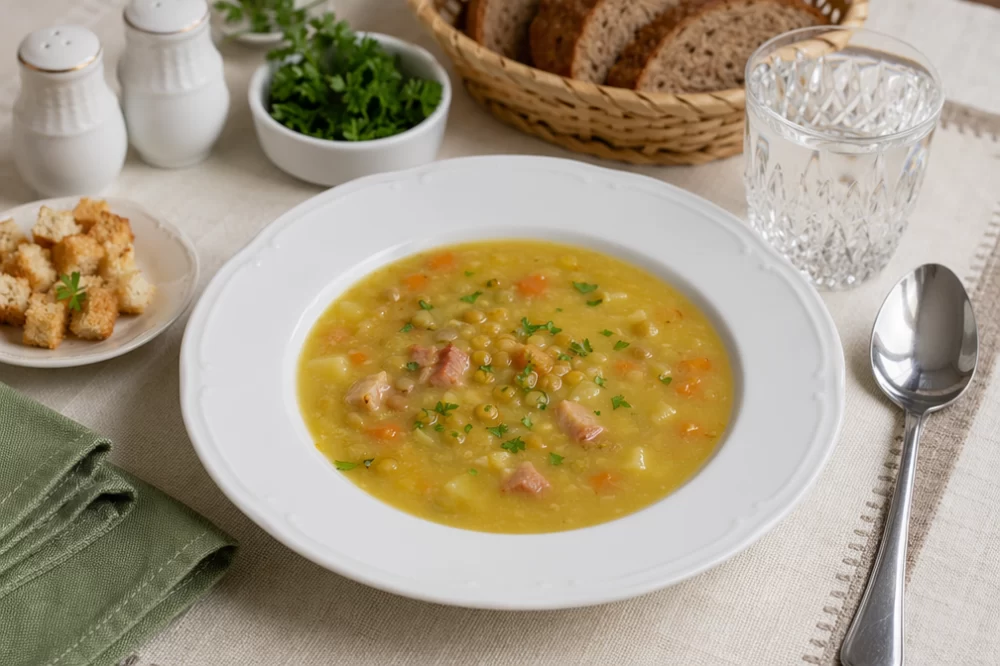
The question of whether you can eat pea soup with type 2 diabetes is one that many people ask when trying to control their blood sugar levels. The encouraging news is: yes, it is not only allowed but can actually be very beneficial. The key is knowing how and with what to prepare it properly.
🧐Why Is Pea Soup Beneficial?
The secret lies in the composition and properties of peas, which make them a valuable food for a diabetic diet.
- Blood Sugar Control:Peas have a low glycemic index (GI). For fresh or frozen green peas, it is around 35 units. This means that the carbohydrates are absorbed slowly, without causing a sharp and dangerous spike in blood glucose. Moreover, substances in peas may slow down the absorption of sugar from other foods eaten alongside them.
- Rich Nutritional Profile:Peas are a true treasure trove of nutrients. They are rich in plant-based protein, fiber, vitamins (A, C, E, and B-complex), and minerals such as potassium, magnesium, phosphorus, and manganese. The amino acid arginine stands out — it acts similarly to insulin and is beneficial for metabolism.
- Health Benefits:Regular consumption of peas helps strengthen blood vessels (which is critically important for diabetes), lower cholesterol levels, and normalize digestion, thanks to their high fiber content.
🤔What About the GI Data?
It is important to note that the glycemic index of the finished dish can vary. Some sources indicate an average GI for pea soup (around 66), which is often due to the addition of other ingredients, such as potatoes. Therefore, the key factor is choosing the right components.
📝How to Prepare Pea Soup Properly for Diabetes?
To ensure the soup offers maximum benefit and minimal harm, just follow a few simple rules.
- Choose the Right Peas.For soup, it is preferable to use fresh or frozen green peas. Dried peas are less beneficial and may cause increased gas. If you do use dried peas, they must be soaked in water for several hours beforehand.
- Use the «Second» Broth.If you are making the soup with meat broth, use lean beef (preferably). Cover the meat with water, bring to a boil, drain the first water, and then cook the broth using the second batch of water. This removes excess fat and extractive substances.
- Skip the Sauté.Vegetables (onions, carrots) should not be fried. Instead, add them raw to the soup or lightly sauté them over low heat with a minimal amount of olive oil. Frying increases the calorie count and creates harmful compounds.
- Go Easy on Potatoes.Potatoes have a higher GI. If you add them, use a small amount, or better yet, replace them with other permitted vegetables, such as broccoli.
🥣Recipe for a Dietary Pea Soup
Here is a sample recipe that follows all the recommendations:
Ingredients:
- Lean beef (tenderloin) — 200–250 g
- Fresh or frozen green peas — 400–500 g
- Onion — 1 piece
- Carrot — 1 piece (optional, can be omitted)
- Fresh herbs (dill, parsley) — to taste
- Salt and spices — to taste
Preparation:
- Cover the meat with water, bring to a boil, and drain the first water. Add fresh water and cook until the meat is half-done.
- Add the peas and diced onion and carrot to the broth.
- Cook until the peas and vegetables are tender.
- 5 minutes before the end of cooking, add salt, herbs, and spices. Let the soup steep for a while.
This soup will be a filling, healthy, and safe dish that will help diversify your menu and support your health.