

Pasta in Type 2 Diabetes: Allowed, but with Rules
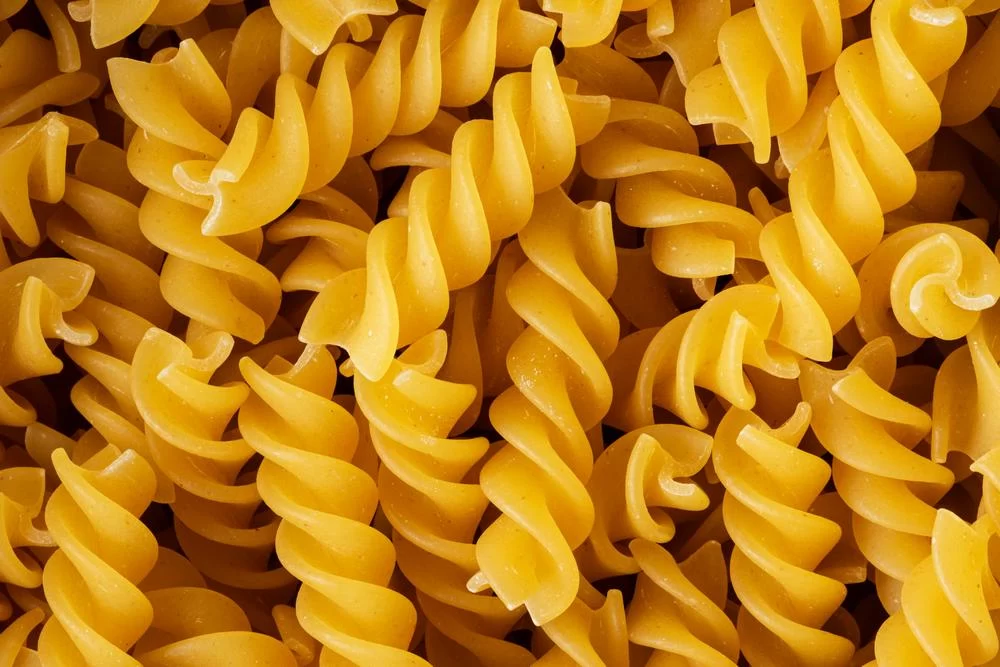
Short answer: Pasta can be eaten with type 2 diabetes, but only under strict conditions. It does not need to be completely eliminated, however the choice of pasta and the way it is consumed must be thoughtful in order to avoid blood sugar spikes.
Why Is Pasta a “Risk Group”?
Regular pasta made from refined white flour (highest grade) consists of fast carbohydrates with a high glycemic index (GI). It is quickly digested into glucose, causing a sharp rise in blood sugar. However, this does not apply to all types of pasta.
The Key Rule: Choosing the Right Pasta
The difference lies entirely in the type of flour used.
NOT ALLOWED / NOT RECOMMENDED:
Pasta made from refined white flour (soft wheat).
Instant or quick-cooking pasta.
ALLOWED and RECOMMENDED:
Durum wheat pasta. The package should state “durum wheat,” “semola di grano duro,” Class 1, or Group A. These pasta varieties have a denser structure and lower starch content.
Whole-grain pasta. The best choice, as it contains large amounts of fiber that slow carbohydrate absorption.
High-protein pasta (made from legume flours such as lentil, pea, or chickpea). These have a lower carbohydrate content and a lower GI.
Pasta made from buckwheat, rye, or spelt flour.
How to check quality:
After cooking, the pasta should remain firm and not fall apart (“al dente”). The cooking water should stay relatively clear, not cloudy with starch.
Golden Rules of Consumption: How to Eat Pasta Safely
Even the right pasta must be eaten according to key principles that turn it from a “threat” into part of a healthy meal.
1. Portion control is essential
The portion of cooked pasta should not exceed 80–120 g (about ⅔ to 1 standard cup). This equals roughly 2–3 tablespoons of dry pasta (30–45 g), or 1.5–2 bread units. Always measure pasta in its dry form.
2. The “diabetic plate” principle (the most important rule!)
Never eat pasta as a standalone dish. Your plate should look like this:
½ of the plate (50%) — non-starchy vegetables and greens
(salad, cucumbers, broccoli, green beans, spinach). The fiber slows carbohydrate absorption.¼ of the plate (25%) — protein
(chicken breast, fish, seafood, tofu, eggs, lean meat).¼ of the plate (25%) — your portion of the right pasta.
3. Proper cooking method: al dente
Cook pasta strictly according to the package instructions, sometimes even 1–2 minutes less. It should remain slightly firm in the center. This increases the amount of resistant starch, which acts like fiber and does not raise blood sugar levels.
4. The right sauces and additions
Allowed:
Homemade tomato sauces (without sugar).
Vegetable-based sauces (such as herb pesto).
Low-fat cream or cheese sauces (in moderation).
Not allowed:
Heavy cream sauces.
Sugary ketchup.
Mayonnaise.
5. Timing matters
Eat pasta earlier in the day (lunch) or, at the latest, for dinner no less than 3–4 hours before bedtime. Daytime activity helps the body use glucose more efficiently.
6. Cooling to lower the GI (a useful hack)
An interesting fact: when cooked pasta is cooled, part of the starch turns into resistant starch. A cold pasta salad (with vegetables, protein, and olive oil dressing) will have a lower glycemic index than freshly cooked hot pasta.
How to Assess Your Personal Response
Even when following all the rules, individual responses vary.
Measure your blood glucose 1.5–2 hours after the meal.
If your levels exceed your target range (usually no more than 7.8–8.5 mmol/L), it means:
The portion was too large.
The pasta quality was insufficient.
The plate principle was not followed (too few vegetables or protein).
Conclusion
Pasta in type 2 diabetes is not a forbidden food, but a food that requires strict accounting and control. Its place in the diet is defined by the formula:
RIGHT CHOICE (whole-grain or durum wheat) + PORTION CONTROL + PROPER COMBINATION (vegetables and protein) = safe and varied nutrition.
By choosing high-quality pasta and including it correctly in your meals, you can enjoy a favorite dish without compromising diabetes control.