

Soups for Type 2 Diabetes: How to Turn the First Course into a Health Ally
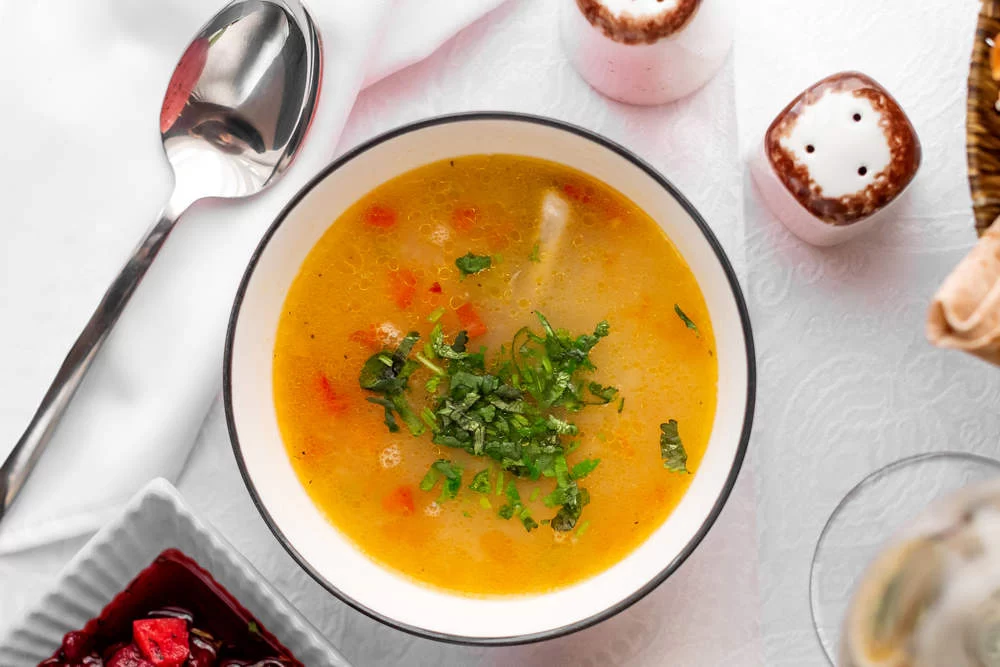
Soups in the diet of a person with type 2 diabetes are not a relic of the past but an excellent opportunity for a filling, tasty, and healthy meal. However, not every soup is equally beneficial. From classic rich borscht to light cream soups, both the choice of ingredients and the cooking method require a special approach so the dish supports blood sugar control rather than working against it.
Why are the right soups beneficial for diabetes?
1. Volume and satiety without excess calories.
A liquid base and a large amount of vegetables fill the stomach and provide a feeling of fullness with relatively low calorie content (if the soup is prepared properly). This helps control total food intake and body weight.
2. A source of fiber and hydration.
Vegetable soups are an easy way to consume a large portion of dietary fiber, which slows the absorption of carbohydrates and fats. Adequate hydration is also important for metabolism.
3. Appetite control.
A cup (200–250 ml) of light vegetable soup 15–20 minutes before the main meal helps curb hunger and ultimately leads to eating less.
4. Room for creativity.
Soup allows you to combine healthy protein foods, plenty of non-starchy vegetables, and proper fats in one bowl.
Principles of building a “diabetic-friendly” soup
Base (broth)
Better choices:
Vegetable broth
Light broth from lean meat or poultry (chicken, turkey, beef), second or third simmer
(the first boiling is drained to remove excess extractive substances and fat)
Limit:
Strong bone broths
Fatty pork broths
Commercial bouillon cubes (high salt, flavor enhancers, hidden carbohydrates)
The “filling” (main part of the soup)
Focus on non-starchy vegetables (at least 50% of total ingredients):
Cabbage (white, cauliflower, broccoli)
Zucchini
Green beans
Celery
Spinach
Asparagus
Tomatoes
Bell peppers
Onion (moderate amounts)
Fresh herbs
Control starchy vegetables and grains (no more than 15–20%):
Potatoes (1–2 small potatoes per whole pot)
Carrots
Pumpkin
Beets
Instead of potatoes and white rice, you can use:
Cauliflower
Small amounts of buckwheat, barley, quinoa, or lentils
(remember to count them as carbohydrate components)
Add protein for satiety:
Pieces of chicken breast, turkey, or lean beef
Lean fish
Turkey meatballs
Tofu
Legumes (chickpeas, beans, lentils — counted as carbs + protein)
Sautéing and seasoning
Avoid the traditional oil-fried base (onion + carrot + flour).
It adds unnecessary calories and simple carbohydrates.
Alternatives:
Lightly sauté onion and carrot until soft in 1 tbsp vegetable oil (olive or avocado), or
Add them raw directly into the broth.
Season in the bowl:
10–15% sour cream
Natural yogurt
Fresh chopped herbs
A spoonful of healthy oil (flaxseed or pumpkin seed oil)
Which soups to choose? Ranking from best to worst
✅ Excellent choices (can be eaten regularly)
Vegetable cream soups (broccoli, cauliflower, zucchini, pumpkin, spinach) — thickness comes from vegetables, not flour or potatoes
Light chicken or turkey soups with plenty of vegetables and herbs
Fresh cabbage soup (shchi), green cabbage soup
Lean meatball soup with green beans
Mushroom soup (water or light broth)
⚠️ Require caution and modification (rarely, small portions)
Borscht: cook in lean broth, minimize potatoes (1–2 cubes per serving), do not sauté beets with sugar; add a spoon of sour cream
Soups with potatoes, rice, or noodles: reduce grains/pasta 2–3 times compared to a standard recipe and replace with vegetables; choose whole-grain noodles or wild rice
Pea or bean soup: legumes are healthy but contain carbohydrates; account for them in daily intake and avoid adding potatoes or smoked meats
❌ Best avoided
Soups made with fatty, rich broths (khash, solyanka)
Soups with large amounts of potatoes, pasta, or white rice
Soups heavily thickened with oily fried flour bases
Instant packaged or canned soups (very high salt, sugar, starch, and additives)
Practical tips
Salt at the very end. You will use less salt while the taste remains brighter.
Use spices and herbs: bay leaf, peppercorns, turmeric, paprika, dill, parsley, basil.
Cook for 1–2 meals only. Fresh soup is healthier than repeatedly reheated soup.
Cool properly. Do not leave warm soup on the stove for long — refrigerate promptly to prevent bacterial growth.
Control portion size. Optimal serving: 250–300 ml (a standard mug). Avoid eating a large bowl of soup with bread and then a full second course.
Conclusion
Soups can and should be part of the diet in type 2 diabetes. Their role is to be a light, vegetable-rich, nourishing start to a main meal or even a complete lunch. The secret lies in shifting the focus from grains and potatoes to an abundance of colorful non-starchy vegetables and quality protein. Such a soup supports stable blood glucose levels, helps with weight control, and still delivers genuine culinary enjoyment.