

Sorrel and Type 2 Diabetes
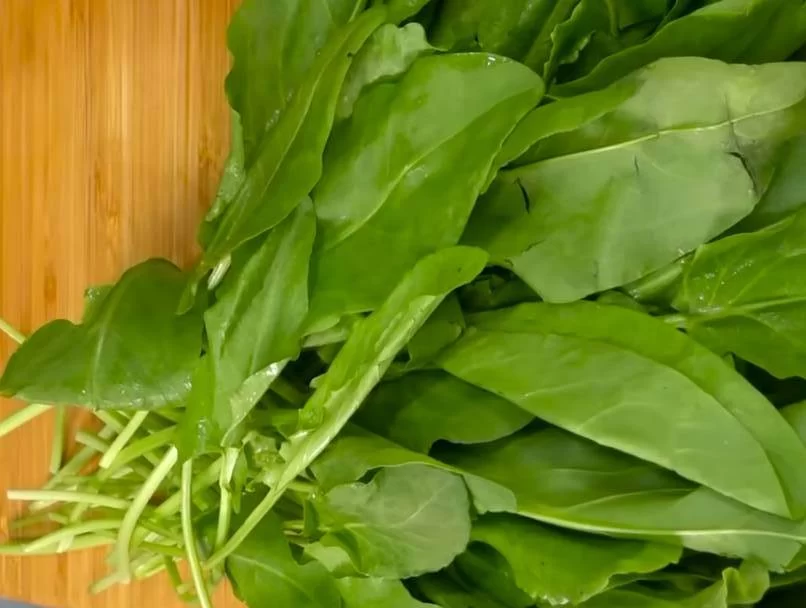
Sorrel is that familiar “sour green” that appears among the first plants in garden beds in spring and tastes wonderful in traditional green soups. For people with type 2 diabetes, it is not just a delicious seasonal product but a real nutritional gem. Let’s explore why sorrel is worth including in your diet and how to do so properly and safely.
🤔 Why Sorrel Is So Good for Type 2 Diabetes
Doctors and dietitians agree: sorrel is not only allowed but even recommended for people with type 2 diabetes. Its main advantages are its unique nutritional composition and minimal impact on blood sugar levels.
Here is the evidence behind its benefits:
Absolutely safe for blood sugar. The glycemic index (GI) of sorrel is only 2–15 units, one of the lowest values among foods. Products with such a low GI are digested slowly and do not cause sharp spikes in blood glucose. Its glycemic load (GL) is also essentially zero.
Very low in calories. One hundred grams of fresh sorrel contains only 19–22 kcal. It is an ideal food for those who are managing their weight — a crucial aspect of controlling type 2 diabetes.
Rich in vitamins and minerals. Sorrel is a natural multivitamin complex. It contains:
Vitamin C (up to 53% of the daily requirement) — supports immunity and vascular health.
Vitamin A and beta-carotene — help protect vision, which is often affected by diabetes.
Magnesium (about 25% of the daily requirement) — essential for the nervous system and heart.
Potassium and iron — support cardiovascular health and help prevent anemia.
Supports digestion and metabolism. Thanks to its fiber and organic acids (malic and citric), sorrel improves intestinal motility and helps normalize metabolism. Some studies also suggest that its bioactive compounds may help reduce “bad” cholesterol levels and even assist in blood glucose control.
⚠️ The “Other Side of the Coin”: Important Precautions
Despite its many benefits, sorrel contains oxalic acid. This compound gives the leaves their characteristic sour taste but can cause problems if consumed excessively.
Main Risks and Safety Rules
Kidney stones and joint issues.
The primary concern with oxalic acid is that it can bind with calcium to form insoluble compounds (oxalates). This increases the risk of kidney stone formation and may worsen gout. People with kidney disease, urolithiasis, gout, or arthritis should avoid sorrel.Stomach and pancreatic problems.
The acids in sorrel may irritate the gastrointestinal lining. It should not be consumed during flare-ups of gastritis with high acidity, gastric or duodenal ulcers, pancreatitis, or cholecystitis.Choose young leaves.
The concentration of oxalic acid increases as the plant ages. For cooking, use young, tender leaves — they contain less acid and more beneficial nutrients.Practice moderation.
Even healthy individuals should not eat sorrel in large quantities. For people with diabetes, a safe portion is considered to be 50–100 grams per day, and not necessarily every day.Neutralize the acid.
The simplest and tastiest way to reduce potential harm is to add fermented dairy products to sorrel dishes: sour cream, yogurt, or kefir. The calcium in these products binds oxalic acid in the intestines, preventing its absorption into the bloodstream.
🥗 How to Eat Sorrel Properly: Tips and Recipes
To get the maximum benefit from sorrel, follow these simple guidelines:
Do not eat it on an empty stomach.
Due to its acidity, sorrel is best consumed as part of a main meal rather than on its own.Combine with protein and healthy fats.
Ideal pairings include eggs, lean meats (chicken, turkey), vegetable oils, and sour cream.Minimize heat treatment.
The longer sorrel is cooked, the more vitamins it loses — especially vitamin C, which is sensitive to heat. Add sorrel to soups or main dishes just 1–2 minutes before they are done.Preserve it for later use.
To enjoy this healthy green year-round, sorrel can be frozen. Freezing preserves more of its nutrients compared to canning.
Simple and Healthy Menu Ideas
Classic green soup (sorrel soup).
Prepare it with lean chicken or vegetable broth, potatoes, carrots, and onions. Add chopped sorrel and a boiled egg at the very end. Serve with a spoonful of sour cream.Fresh salad.
Chop young sorrel leaves and combine with cucumber, radish, fresh herbs (parsley, dill, green onion), and boiled egg. Dress with olive oil or low-fat yogurt.Creamy sorrel soup.
Sauté onions, add chopped sorrel, and simmer briefly. Blend until smooth, then mix with chicken broth and simmer lightly. Finish with a small amount of cream.
Summary
Sorrel can be a valuable, low-calorie food for people with type 2 diabetes. It is rich in vitamins and fiber, has almost no effect on blood sugar levels, and — when consumed in moderation and preferably combined with fermented dairy products — offers significant health benefits. However, individuals with kidney, joint, or gastrointestinal conditions should avoid it.