

Can a person with diabetes eat shashlik?
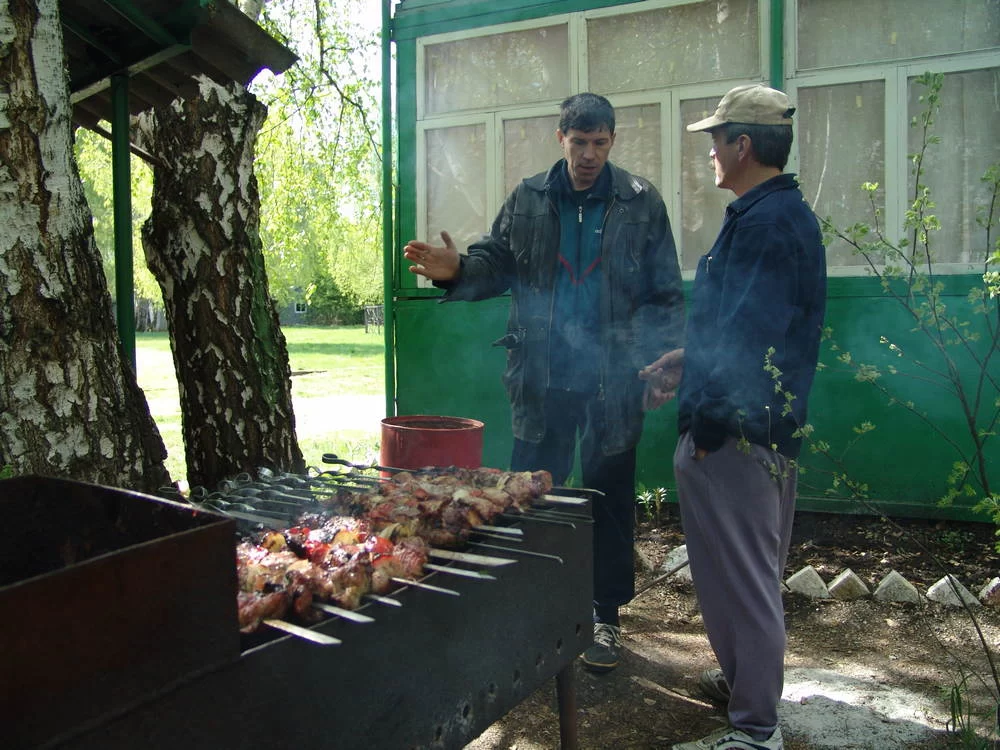
Barbecue (shashlik) is perhaps the main dish of any picnic, and there’s no need to give it up completely—even with a diagnosis of type 2 diabetes. Fresh air and good company are also important for health, and shashlik can be made quite safe if you approach its preparation wisely. The key principles are: choosing the right meat, using a safe marinade, and pairing it with the right side dish.
🤔 Can a person with diabetes eat shashlik?
Doctors generally agree on one thing: traditional shashlik made from fatty pork or lamb, marinated in vinegar or mayonnaise, is not suitable for people with type 2 diabetes. Such a dish carries a triple threat:
• High fat and calorie content. This contributes to weight gain and elevated cholesterol levels, which are already common issues in type 2 diabetes. For example, 100 g of lamb shashlik contains about 23 g of fat, and its calorie content can reach 372 kcal.
• Harmful marinades. Store-bought marinades are often overloaded with vinegar and preservatives. Vinegar is not recommended for people with diabetes, as it may negatively affect metabolism and the pancreas. Mayonnaise and full-fat sour cream add extra fat and “empty” calories.
• Carcinogens. Charred crust contains harmful substances that can accumulate in the body and may provoke inflammation and various diseases.
However, this does not mean you need to forget about shashlik. With the right choices, you can easily turn it into a dietary and safe dish.
✅ How to choose safe meat
The key to success is lean cuts of meat, poultry, or fish.
• Turkey — a favorite among dietitians. This is perhaps the best choice for someone with diabetes. Turkey fillet contains about 30 g of protein and only 2–3 g of fat per 100 g. It is rich in selenium, zinc, and B vitamins, which are beneficial for the heart and blood vessels.
• Chicken. An excellent dietary option. For shashlik, chicken breast fillet is best since it contains minimal fat. If you choose thighs, be sure to remove the skin before cooking.
• Veal or young beef. A good alternative to fatty pork. Choose cuts without visible fat streaks.
• Rabbit. Highly recommended by dietitians for people with diabetes. It contains only about 188 kcal per 100 g and is lean and easily digestible.
• Fish. Shashlik made from larger varieties of fish (such as salmon, trout, tuna, or catfish) is not only tasty but also healthy due to its valuable omega-3 fatty acids.
What to avoid: fatty pork (especially pork neck), lamb with visible fat, and duck.
Secrets of the perfect marinade
A marinade should not be overly fatty or aggressively acidic. Its purpose is to make the meat tender and flavorful without harming your health.
• Not allowed: vinegar, mayonnaise, full-fat kefir, ready-made store sauces with sugar and preservatives.
• Allowed and beneficial:
Lemon juice. Softens the meat and adds pleasant acidity.
Pomegranate juice. Makes the meat incredibly juicy and tender, and contains antioxidants.
Natural soy sauce (sugar-free). A good base for a marinade with salt and spices. A small amount of vegetable oil may be added, but it’s not necessary.
Sparkling mineral water. A classic way to make meat very tender without extra calories.
Spices and herbs. Use paprika, basil, rosemary, thyme, garlic, and pepper. They enhance flavor and aroma, allowing you to reduce salt.
🍖 Rules for grilling over charcoal
Even lean meat can be ruined by improper grilling. Follow these simple tips:
Do not grill until blackened. Charred pieces contain carcinogens. If this happens, it’s better to trim them off and not eat them.
Monitor doneness. The meat should be fully cooked to avoid parasites, but not over-dried. Use moderate heat and turn the skewers frequently.
Control portion size. The optimal portion of cooked meat for a person with diabetes is 150–200 g, no more than 1–2 times per week.
The perfect side dish: forget about flatbread and potatoes
Shashlik is rarely eaten alone. And here lies the main danger: flatbread, ketchup, and baked potatoes can negate all your efforts to choose lean meat by causing a spike in blood sugar.
Your choice should be fresh or grilled vegetables!
• Best companions: bell peppers, tomatoes (especially cherry), eggplants, zucchini, onions, and fresh herbs.
• Plate rule: dietitians recommend adding at least 400 g of fresh vegetables to your portion of meat. Fiber helps protein digest better and slows carbohydrate absorption.
• Vegetable shashlik. As a standalone dish or addition to meat, vegetables on skewers are tasty, healthy, and safe.
Homemade sauce
Store-bought ketchup is essentially a concentrate of sugar and starch. Prepare a simple and healthy sauce yourself:
• Mix chopped tomatoes with herbs (cilantro, dill) and garlic.
• Make a dressing from lemon juice, herbs, and a small amount of olive oil.
• Prepare a simple Caucasian-style sauce from crushed garlic mixed with water.
Simple and healthy recipes
Here are two options that work well for people with type 2 diabetes.
Chicken and vegetable shashlik in the oven
If you can’t get outdoors, this recipe allows you to enjoy your favorite dish anytime.
Ingredients:
500 g chicken fillet, 1 bell pepper, 300 g cherry tomatoes, soy sauce, garlic, paprika.
Preparation:
Cut the chicken fillet into large cubes.
Marinate in a mixture of soy sauce, minced garlic, and paprika for at least 30 minutes.
Thread onto wooden skewers (soak them in water for 10 minutes beforehand), alternating chicken pieces with pepper and tomatoes.
Bake in the oven at 200–250°C (392–482°F) for about 20–25 minutes.
Skinless chicken thigh shashlik in tomato marinade
A juicy option when using the right sauce.
Ingredients:
4 chicken thighs (skin removed), 1 onion, 1.5 tablespoons sugar-free, starch-free tomato ketchup, 1 tablespoon low-fat sour cream, salt and pepper to taste.
Preparation:
Be sure to remove the skin from the thighs.
Mix ketchup, sour cream, salt, pepper, and onion rings. Marinate the meat in this mixture for 1 hour.
Place in a baking dish, cover with foil, and bake for 30 minutes at 220°C (428°F). Remove the foil and cook for another 20–30 minutes until golden brown.
In summary: Shashlik with type 2 diabetes is not a taboo, but a dish that requires a mindful approach. Choose lean meats (turkey, chicken, veal), marinate them in natural sauces (lemon juice, soy sauce, mineral water), avoid overcooking on the grill, and most importantly, eat it with plenty of fresh vegetables. In this case, your picnic will bring only joy and health benefits.