

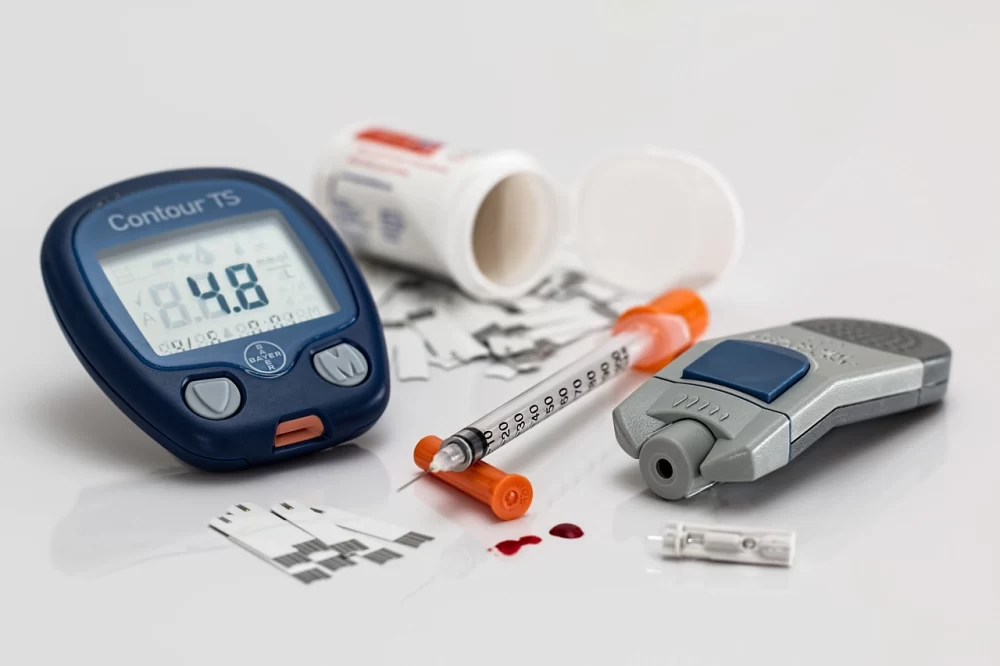
The glycemic index (GI) is a measure that shows how quickly carbohydrates in food raise blood glucose levels compared with pure glucose (which has a GI of 100). This parameter is especially important for people with diabetes, as it helps them choose foods that do not cause sharp spikes in blood sugar.
1. How Are Foods Classified by GI?
Low GI (≤ 55): slow digestion and absorption, gradual rise in blood sugar (most vegetables, legumes, whole-grain products).
Medium GI (56–69): moderate effect on blood glucose (whole-grain bread, bananas, grapes).
High GI (≥ 70): rapid increase in blood sugar (white bread, potatoes, sweets, honey).
2. Why Is GI Important in Diabetes?
✔ Helps control postprandial glycemia (blood sugar levels after meals).
✔ Reduces the risk of insulin resistance.
✔ Prevents sharp glucose fluctuations (hypoglycemia and hyperglycemia).
✔ Supports long-term weight management (low-GI foods promote satiety).
3. Factors That Affect the GI of Foods
Degree of processing: the more finely processed and heat-treated a food is, the higher its GI (e.g., mashed potatoes vs. boiled potatoes with the skin on).
Fiber, protein, and fat content: these slow carbohydrate absorption and lower GI.
Acidity: lemon juice or vinegar can slightly reduce the GI of a meal.
4. How to Use GI in Your Diet
✅ Recommended Foods (Low GI)
Vegetables (broccoli, zucchini, tomatoes).
Berries (strawberries, raspberries, blueberries).
Legumes (lentils, beans, chickpeas).
Whole grains (buckwheat, quinoa, coarse-ground oats).
❌ Foods to Limit (High GI)
White bread, pastries, sugary cereals.
Potatoes (especially mashed or fried).
Watermelon, dates, honey.
Sugary soft drinks.
5. Glycemic Load (GL): An Important Complement to GI
GI does not take into account the amount of carbohydrates in a serving, so glycemic load (GL) provides a more accurate assessment of a food’s impact on blood sugar.
GL formula:
GL = (GI × amount of carbohydrates in grams) / 100
Low GL: ≤ 10
Medium GL: 11–19
High GL: ≥ 20
Example: Watermelon has a high GI (72), but 100 g contains only about 5–6 g of carbohydrates, so its GL is approximately 4 (low).
6. Practical Nutrition Tips
✔ Combine carbohydrates with proteins and fats (e.g., porridge + nuts, fruit + cottage cheese).
✔ Choose whole, minimally processed foods.
✔ Control portion sizes—even healthy carbohydrates can raise blood sugar when eaten in excess.
✔ Monitor individual responses—metabolism varies from person to person.
Conclusion
The glycemic index is a useful tool for meal planning in diabetes, but it should be considered together with glycemic load and overall food composition. The optimal strategy is mainly low-GI foods, moderate portions, and a balanced diet.
Important: Always discuss your diet with a doctor or registered dietitian to receive personalized recommendations.