

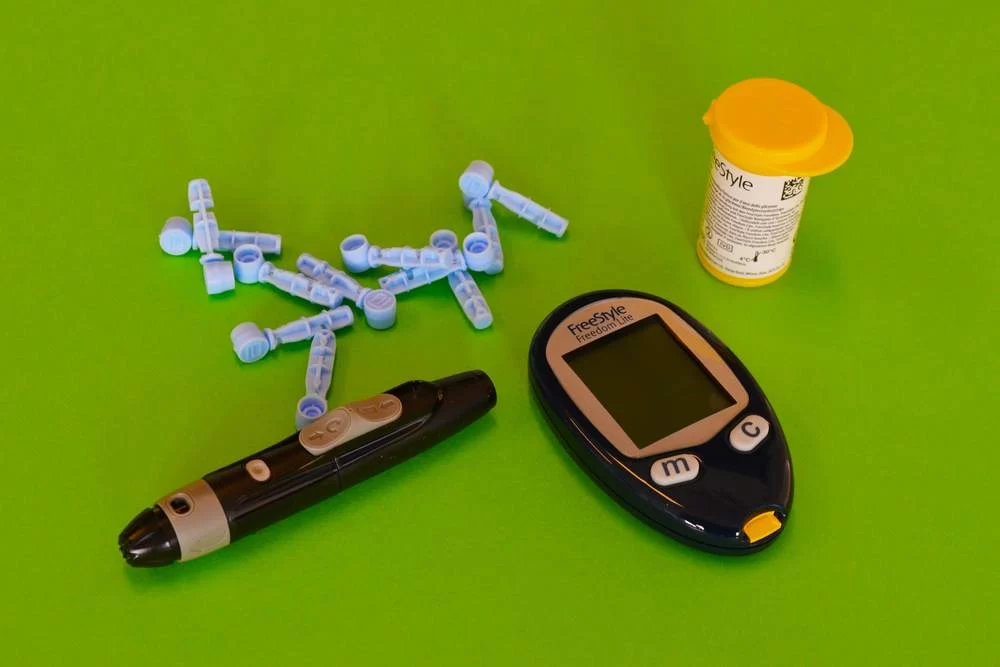
Hidden diabetes, or prediabetes, is a borderline condition in which blood sugar levels are already higher than normal but not yet high enough for a diagnosis of type 2 diabetes. This is the most important—and unfortunately often missed—stage at which the disease can not only be detected, but also reversed.
What Is It?
The medical terms for this condition are impaired glucose tolerance (IGT) and impaired fasting glucose (IFG). At this stage, malfunctions have already begun in the body: cells become less sensitive to insulin (insulin resistance develops), and the pancreas struggles to compensate by producing more of the hormone. After meals, blood sugar remains elevated longer than it should.
The main danger of hidden diabetes is that it has no pronounced symptoms. A person may live for years without realizing they are just one step away from a serious disease.
Who Is at Risk?
Regular blood sugar testing is especially important if you have at least one of the following risk factors:
Overweight or obesity (especially abdominal fat accumulation)
Sedentary lifestyle
Age over 45
Family history of diabetes (parents or siblings)
History of gestational diabetes during pregnancy
Giving birth to a large baby (over 4 kg / 8.8 lb)
Arterial hypertension and high cholesterol levels
Polycystic ovary syndrome (in women)
What “Warning Signs” May Appear?
Although symptoms are subtle, some indirect signs may point to a problem:
Constant fatigue, sleepiness after meals
Increased thirst and more frequent urination (less pronounced than in overt diabetes)
Dry skin, itching, especially in the genital area
Slow healing of cuts and bruises
Worsening vision (“haze,” blurriness) that may come and go
Increased appetite, cravings for sweets
Important: These symptoms are nonspecific and are often attributed to stress, age, or fatigue.
How Is Hidden Diabetes Diagnosed?
The only way to detect this condition is through blood tests.
Fasting blood glucose.
Normal: up to 6.1 mmol/L.
Levels from 6.1 to 6.9 mmol/L indicate impaired fasting glucose.Oral glucose tolerance test (OGTT).
This is the most accurate method. Blood is drawn fasting, then you drink 75 g of glucose, and the test is repeated after 2 hours.Normal after 2 hours: up to 7.8 mmol/L
Hidden diabetes (IGT): 7.9–11.0 mmol/L
Glycated hemoglobin (HbA1c).
A value from 5.7% to 6.4% indicates prediabetes.
Why Is This Condition Dangerous?
The main risk is the high likelihood of developing type 2 diabetes. Without lifestyle changes, up to 70% of people with prediabetes develop overt diabetes within 5–10 years.
In addition, even at the prediabetes stage, the risk of vascular damage begins to rise, which can lead to:
Cardiovascular diseases (heart attack, stroke)
Kidney damage and nervous system involvement
Can It Be Reversed?
Yes, it can! Hidden diabetes is a point of no return—but in the opposite direction. It is the last real chance to radically change the course of events.
Effective measures:
Weight loss.
Losing even 5–7% of initial body weight significantly reduces risk.Regular physical activity.
At least 150 minutes of moderate exercise per week (brisk walking, swimming, cycling).Dietary changes.
Eliminate sugar, sugary drinks, white bread, and pastries
Increase intake of vegetables (except potatoes), whole grains, and lean protein
Control portion sizes
Regular monitoring.
Repeat tests every 6–12 months to track progress.
Conclusion
Hidden diabetes is not a sentence—it is a powerful call to action. Ignoring it is like ignoring warning signs on the road toward a cliff. Timely diagnosis and active lifestyle changes are the only way to prevent the development of full-blown type 2 diabetes and its serious complications, preserving health and quality of life for many years to come.