

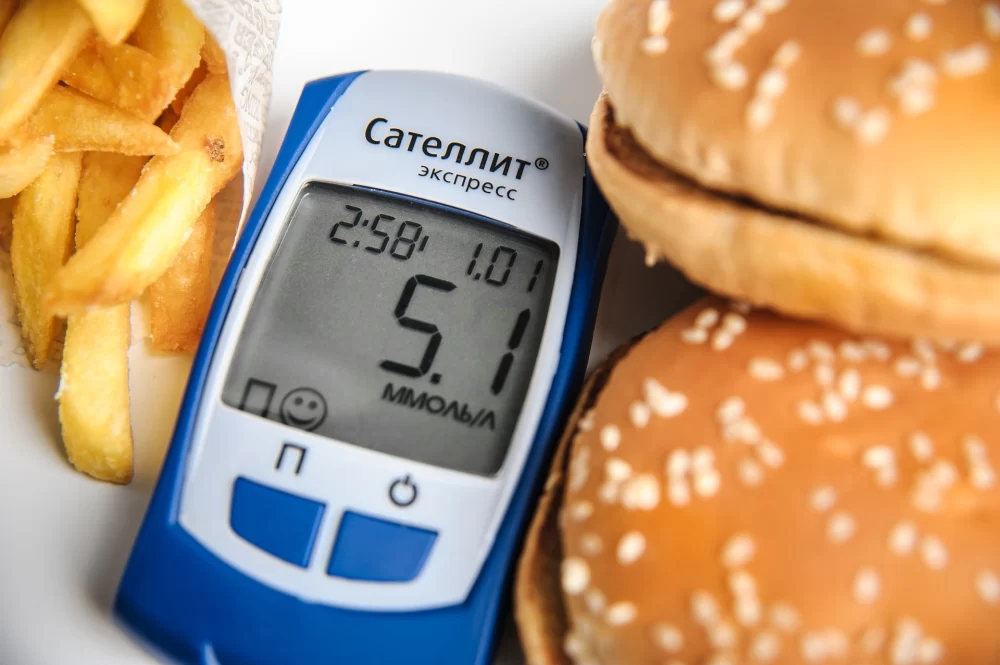
Glycated hemoglobin (HbA1c) is a key indicator that reflects the average blood glucose level over the past 2–3 months. Unlike single glucose measurements with a glucometer, HbA1c shows how well diabetes is controlled in the long term.
1. What Does HbA1c Show?
When blood glucose levels are elevated, glucose binds to hemoglobin in red blood cells. The higher the blood sugar, the more hemoglobin becomes glycated. Since red blood cells live for about 120 days, the HbA1c test reflects the average glucose concentration over this period.
2. Reference Ranges and Target Values
HbA1c level | Interpretation
<5.7% — Normal (no risk of diabetes)
5.7–6.4% — Prediabetes (high risk of developing diabetes)
≥6.5% — Diagnosis of diabetes
<7.0% — Target level for most patients with diabetes
<8.0% — Acceptable for older patients or those at high risk of hypoglycemia
Important: Target values may be individually adjusted by a physician depending on age, complications, and comorbid conditions.
3. Why Is HbA1c So Important in Diabetes?
Advantages over single glucose measurements:
✔ Not affected by time of day, food intake, or stress
✔ Reflects long-term glycemic control
✔ Used for diagnosing diabetes (along with blood glucose testing)
✔ Helps assess the risk of complications:
HbA1c >7% → increased risk of nephropathy, retinopathy, and neuropathy
HbA1c >9% → critically high risk of vascular events (heart attack, stroke)
Limitations:
May be falsely low in anemia, blood loss, or hemolysis
May be falsely elevated in iron deficiency or chronic kidney disease
Does not reflect sharp glucose fluctuations (hypoglycemia, postprandial spikes)
4. How Often Should HbA1c Be Tested?
Type 2 diabetes: once every 3–6 months
Stable values: once every 6 months is sufficient
After therapy changes or decompensation: once every 3 months
5. How to Lower HbA1c?
✅ Effective strategies:
✔ Regular blood glucose monitoring
✔ Low–glycemic index diet (vegetables, whole grains, protein, healthy fats)
✔ Physical activity (150 minutes/week of cardio plus strength training)
✔ Weight loss (even 5–7% of body weight improves insulin sensitivity)
✔ Adherence to therapy (metformin, SGLT-2 inhibitors, insulin if needed)
❌ What interferes with lowering HbA1c?
Irregular medication use
Frequent snacking on fast carbohydrates
Sedentary lifestyle
Chronic stress (raises cortisol → increases blood glucose)
6. HbA1c and the Risk of Complications
HbA1c level | Risk of complications
<7.0% — Minimal
7.0–8.0% — Moderate (therapy adjustment required)
>9.0% — Extremely high (urgent hospitalization required if symptoms of ketoacidosis are present)
Example: Reducing HbA1c from 9% to 7% lowers the risk of:
Microvascular complications (retinopathy, nephropathy) by 35%
Heart attack and stroke by 18%
Conclusion
HbA1c is a key marker of diabetes management. Monitoring it allows you to:
✔ Evaluate the effectiveness of treatment
✔ Predict risks
✔ Adjust therapy in a timely manner
Important: Even if you feel well, test HbA1c regularly—diabetes can remain asymptomatic for a long time while still damaging blood vessels and nerves.
💡 Tip: Compare your results with previous ones—trends over time are more important than a single value.