

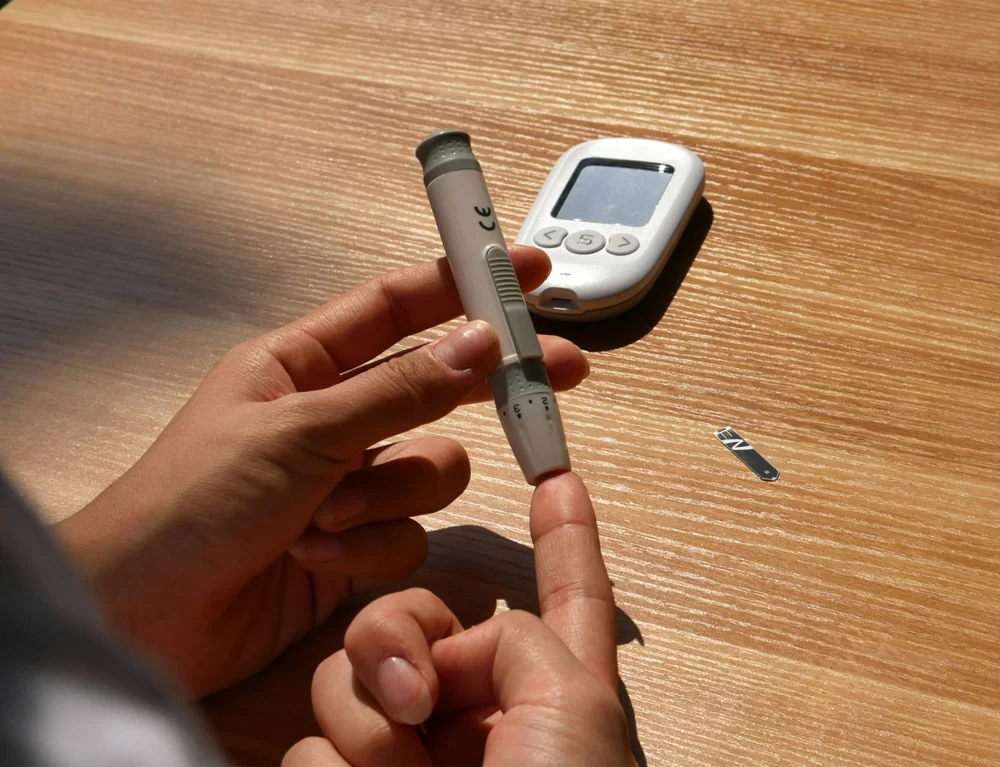
Bolus insulin is a short-acting or ultra–short-acting insulin that is administered before meals to control postprandial glycemia (blood sugar levels after eating). Unlike basal insulin, which provides a constant background level of the hormone, bolus insulin mimics the body’s natural insulin release in response to carbohydrate intake.
1. Types of Bolus Insulin
| Type of insulin | Onset of action | Peak activity | Duration | Examples |
|---|---|---|---|---|
| Ultra–short-acting | 5–15 min | 1–2 hours | 3–5 hours | Lispro (Humalog), Aspart (NovoRapid), Glulisine (Apidra) |
| Short-acting | 30–60 min | 2–4 hours | 6–8 hours | Actrapid, Humulin R, Insuman Rapid |
Which is better to choose?
Ultra–short-acting insulins are more convenient (can be injected right before or even after meals) and act faster.
Short-acting insulins are cheaper but require strict timing (injection 30–40 minutes before meals).
2. When Is Bolus Insulin Used?
Type 1 diabetes — mandatory (no endogenous insulin production).
Type 2 diabetes — when there is progressive decline in β-cell function.
Gestational diabetes — if diet and oral medications fail to control blood glucose.
Correction of hyperglycemia (as needed).
3. How Is the Dose Calculated?
The dose depends on:
✔ Pre-meal blood glucose level (correction bolus).
✔ Amount of carbohydrates in the meal (carbohydrate-to-insulin ratio).
✔ Physical activity (may reduce insulin requirements).
Example of calculation:
Per 1 bread unit (BU) — usually 0.5–2 IU (individualized).
Correction of high blood sugar — for example, 1 IU lowers glucose by about 2–3 mmol/L.
4. Methods of Administration
Insulin pens (convenient, accurate dosing).
Insulin pump (delivers micro-boluses automatically).
Conventional insulin syringe (rarely used, when no alternatives are available).
5. Pros and Cons of Bolus Therapy
✅ Advantages
Precise control of postprandial glycemia.
Greater dietary flexibility (dose can be adjusted for different meals).
Reduced risk of long-term diabetic complications.
❌ Risks
Hypoglycemia (if the dose is calculated incorrectly).
Need for frequent glucose monitoring (glucometer or sensor).
Lipodystrophy with improper injection technique.
6. Practical Tips for Use
🔹 Always check blood glucose before meals.
🔹 Consider fats and proteins in food—they slow carbohydrate absorption.
🔹 Physical activity may reduce the required bolus dose.
🔹 Rotate injection sites (abdomen, thighs, arms).
Conclusion
Bolus insulin is a key component of intensive insulin therapy, allowing close imitation of the pancreas’s natural function. However, its use requires proper self-management education and regular dose adjustments in collaboration with a healthcare provider.
Important: An individualized treatment regimen should be selected by an endocrinologist.