

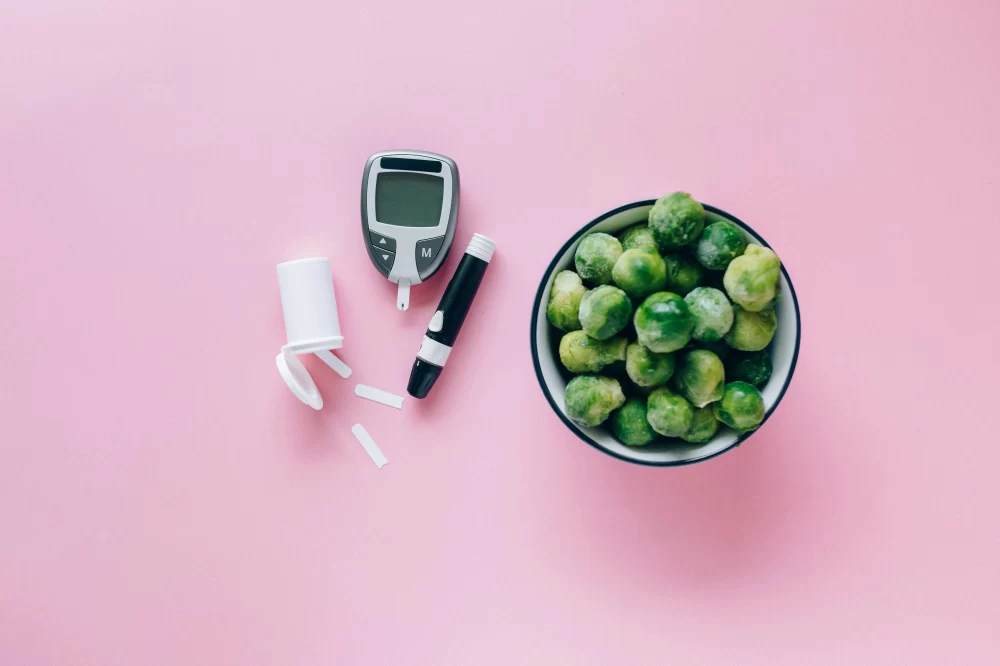
Diabetic coma is an extremely dangerous complication of diabetes mellitus associated with critically high or low blood glucose levels. Without timely medical assistance, it can lead to loss of consciousness, brain damage, and even death.
1. Types of Diabetic Coma
🔹 Hyperglycemic coma
Develops when blood glucose rises sharply (usually above 30 mmol/L).
Subtypes:
Ketoacidotic coma (in type 1 diabetes) — caused by insulin deficiency and accumulation of ketones.
Hyperosmolar coma (more common in type 2 diabetes) — occurs without ketosis but with severe dehydration.
🔹 Hypoglycemic coma
Occurs when blood glucose drops sharply (below 2.5–3.0 mmol/L), most often due to an overdose of insulin or glucose-lowering medications.
2. Causes of Coma Development
✅ Hyperglycemic coma
✔ Skipping insulin injections
✔ Severe infections (pneumonia, sepsis)
✔ Acute stress (heart attack, stroke)
✔ Medication dosing errors
✅ Hypoglycemic coma
✔ Overdose of insulin or tablets (sulfonylureas)
✔ Skipping meals after an injection
✔ Intense physical activity without dose adjustment
✔ Alcohol consumption on an empty stomach
3. Symptoms Before Coma
🔸 Hyperglycemia (develops over hours or days)
Intense thirst, dry mouth
Frequent urination
Weakness, nausea, vomiting
Acetone (fruity) breath odor (in ketoacidosis)
Confusion → coma
🔸 Hypoglycemia (develops over minutes or hours)
Tremors, sweating, paleness
Severe hunger, dizziness
Rapid heartbeat
Seizures, loss of consciousness → coma
4. First Aid
🚨 Hyperglycemic coma
Call emergency medical services (treatment is hospital-based only!)
Check blood glucose if possible
If unconscious, place the person on their side and monitor breathing
Do not administer insulin without medical supervision (risk of cerebral edema!)
🚨 Hypoglycemic coma
If the person is conscious, give 15–20 g of fast-acting carbohydrates (juice, honey, glucose tablets)
If unconscious:
Administer glucagon (1 mg intramuscularly)
Do not give liquids by mouth (risk of choking!)
After regaining consciousness, provide complex carbohydrates (bread, porridge)
5. Prevention of Diabetic Coma
✔ Regular blood glucose monitoring (especially during illness or stress)
✔ Strict adherence to insulin and medication dosing
✔ Balanced meals without skipping food intake
✔ Training family members in first aid rules
✔ Wearing a medical alert bracelet indicating the diagnosis
Conclusion
Diabetic coma is a life-threatening condition that requires immediate action. Awareness of early symptoms and first aid measures can save lives.
Important: If you experience recurrent episodes of hypo- or hyperglycemia, consult an endocrinologist urgently to adjust your treatment plan.