

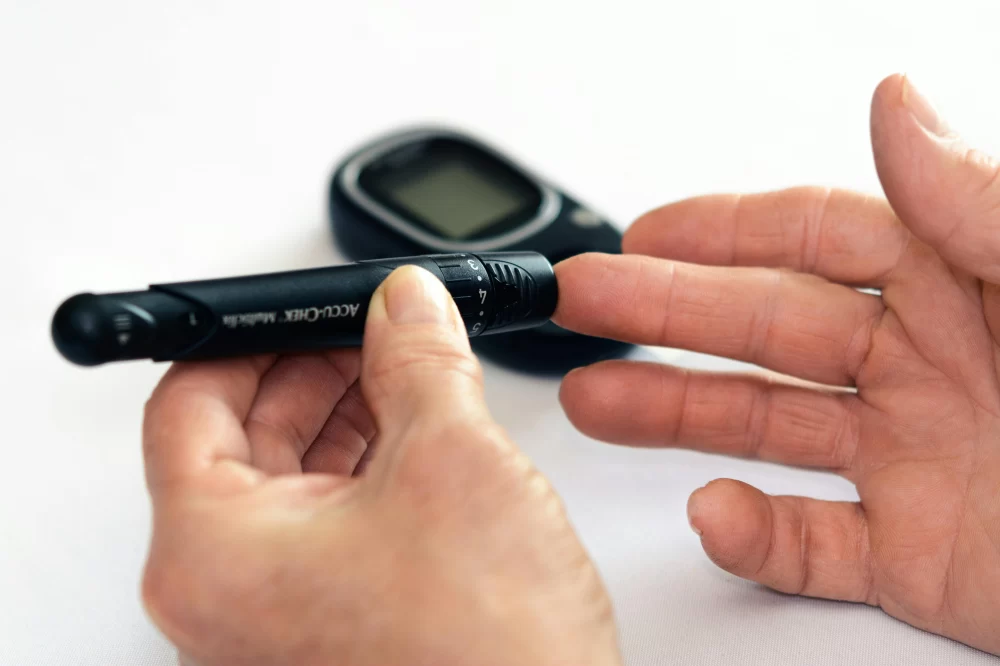
Abnormal fasting blood glucose is a condition in which the concentration of sugar in the blood after 8–12 hours of fasting falls outside the normal range but does not yet meet the diagnostic criteria for diabetes. It may indicate impaired carbohydrate metabolism and an increased risk of developing type 2 diabetes.
Normal and Abnormal Fasting Glucose Levels
(according to WHO criteria, 2023)
| Condition | Glucose level (mmol/L) |
|---|---|
| Normal | < 5.6 |
| Impaired fasting glucose (IFG) | 5.6–6.9 |
| Diabetes mellitus | ≥ 7.0 (confirmed in two tests) |
Note: In pregnant women, the thresholds are stricter (fasting ≤ 5.1 mmol/L).
Causes of Abnormal Fasting Glucose Levels
1. Prediabetes and Insulin Resistance
The pancreas produces insulin, but body cells respond poorly to it.
The liver continues to release glucose even in the fasting state.
2. Metabolic Disorders
Obesity (especially abdominal obesity).
Polycystic ovary syndrome (PCOS).
Non-alcoholic fatty liver disease (NAFLD).
3. Hormonal Disorders
Hyperthyroidism (overactive thyroid).
Cushing’s syndrome (excess cortisol).
Acromegaly (excess growth hormone).
4. Other Factors
Chronic stress (cortisol increases blood glucose).
Use of certain medications (glucocorticoids, thiazide diuretics).
Late-night snacking or a heavy dinner (insufficient fasting before testing).
Why Is Elevated Fasting Glucose Dangerous?
Even mild but persistent elevations in glucose increase the risk of:
✔ Developing type 2 diabetes (5–10 times higher than normal).
✔ Cardiovascular diseases (atherosclerosis, heart attack, stroke).
✔ Microvascular complications (retinopathy, nephropathy).
Diagnosis
To clarify the condition, the following tests are performed:
Repeat fasting blood glucose test (to rule out laboratory error).
Oral glucose tolerance test (OGTT) if results are 5.6–6.9 mmol/L.
Glycated hemoglobin (HbA1c) — average blood glucose over the past 3 months.
Insulin and C-peptide levels — to assess pancreatic function.
What to Do If Fasting Glucose Is Abnormal?
1. Modify Diet
Reduce fast carbohydrates (sugar, white bread, sweets).
Increase fiber intake (vegetables, whole grains).
Control calorie intake (especially in overweight individuals).
2. Increase Physical Activity
150+ minutes per week of walking, swimming, or therapeutic exercise.
Strength training 2–3 times per week (improves insulin sensitivity).
3. Monitor Other Health Indicators
Blood pressure (< 130/80 mmHg).
Cholesterol levels (LDL < 3.0 mmol/L).
4. Regular Monitoring
Fasting glucose — every 3–6 months.
HbA1c — once a year.
When Are Medications Needed?
If diet and exercise are not effective, a doctor may prescribe:
✔ Metformin — reduces hepatic glucose production.
✔ Thiazolidinediones — improve insulin sensitivity.
Conclusion
Abnormal fasting blood glucose is a warning signal. Timely lifestyle modification can prevent the development of diabetes in up to 60% of cases. Do not ignore this indicator.
Control your blood sugar — protect your health! 💙